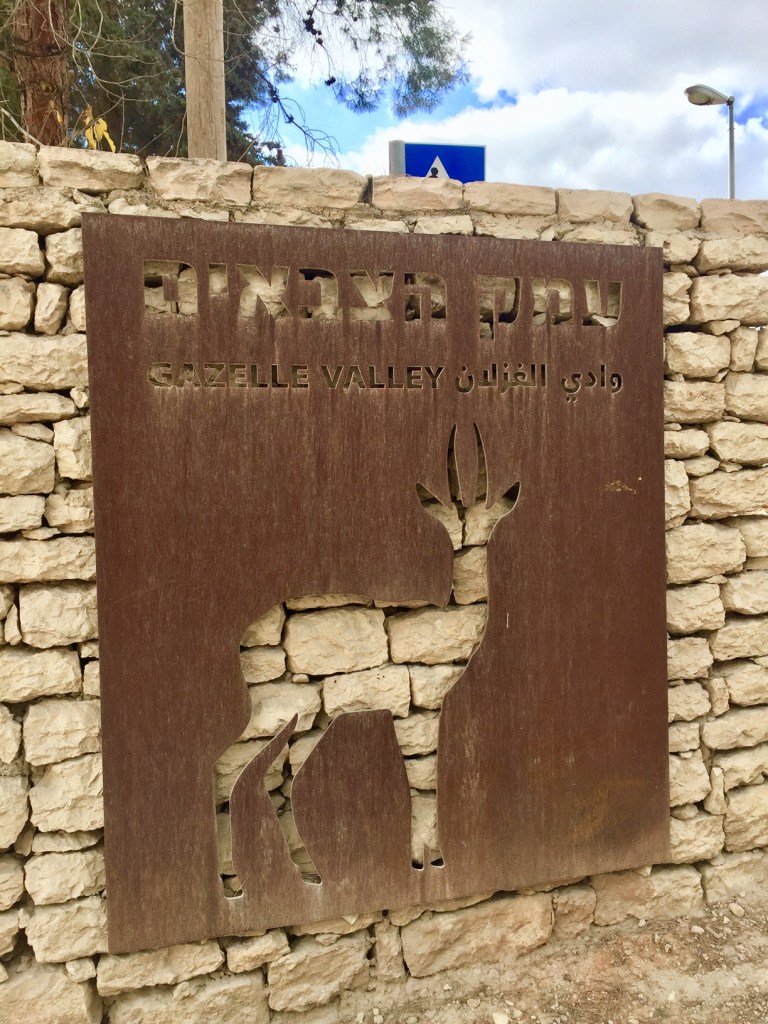
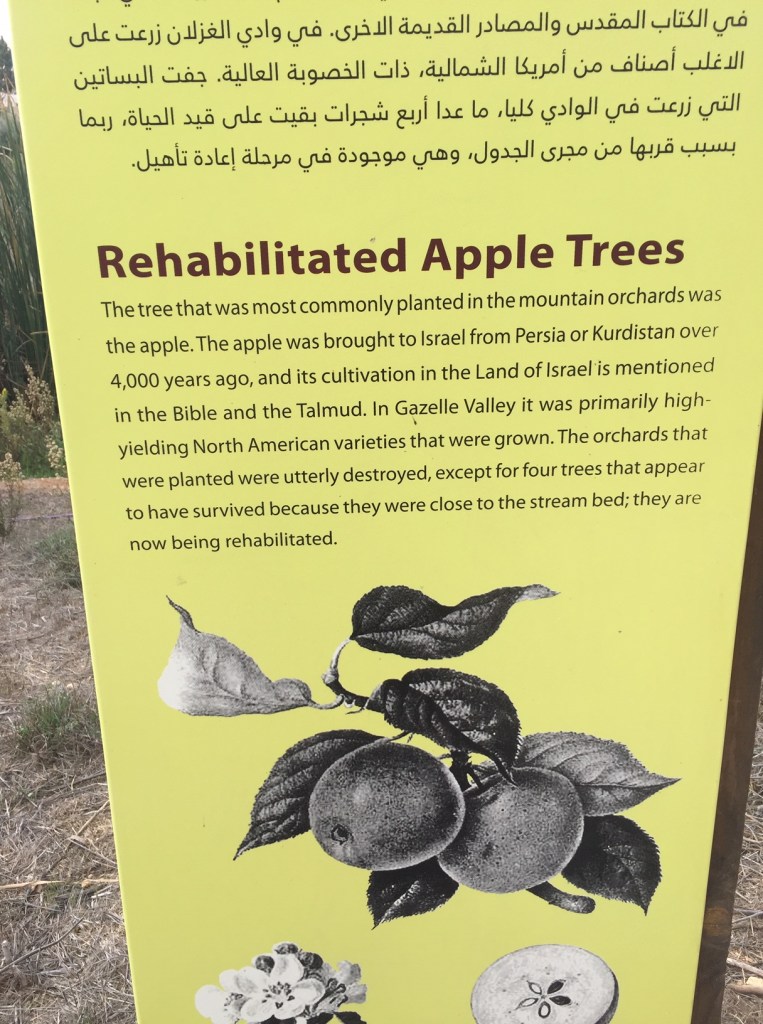
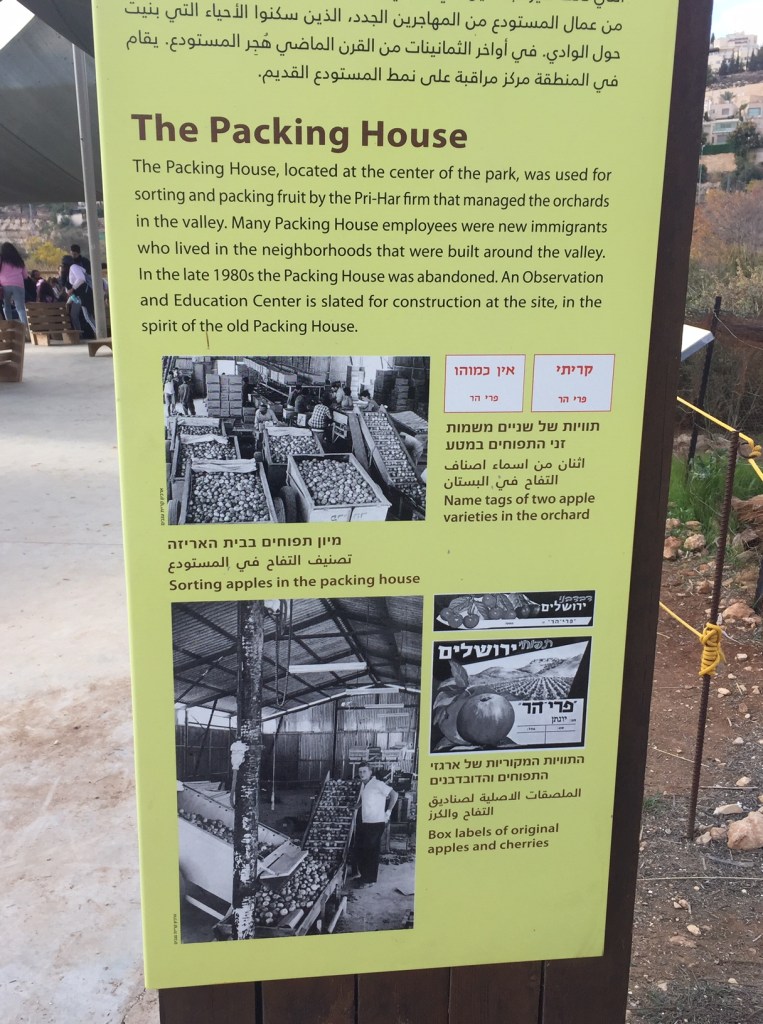
After my day of being in the Old City, and in particular my visits to the Western Wall and the Church of Holy Sepulchre, I decided that I needed a day without so much religion. I set off over the hill for the Gazelle Valley — Emek HaTzeva’im. This small nature reserve is located in a valley in the middle of a lot of development. It was once fruit orchards, and wildlife, including gazelles, roamed there freely. According to the Reerve’s website, “This valley was once a home to a herd of over 30 wild gazelles. In the year 1993 their passage to the mountains surrounding Jerusalem was blocked by a new highway, and those gazelles were trapped in the valley. In the following years the herd gradually disappeared due to the threats of feral dogs, jackals and even humans, who chased the gazelles to the highway, where most lost their lives. A decade later, the area was designated to become a luxurious housing project, and the gazelle’s fate seemed doomed. Luckily for them, their human neighbors came to their aid. For more than 12 years the inhabitants of the neighboring streets fought to save the valley,and in the year 2015 Gazelle Valley Park was established.”
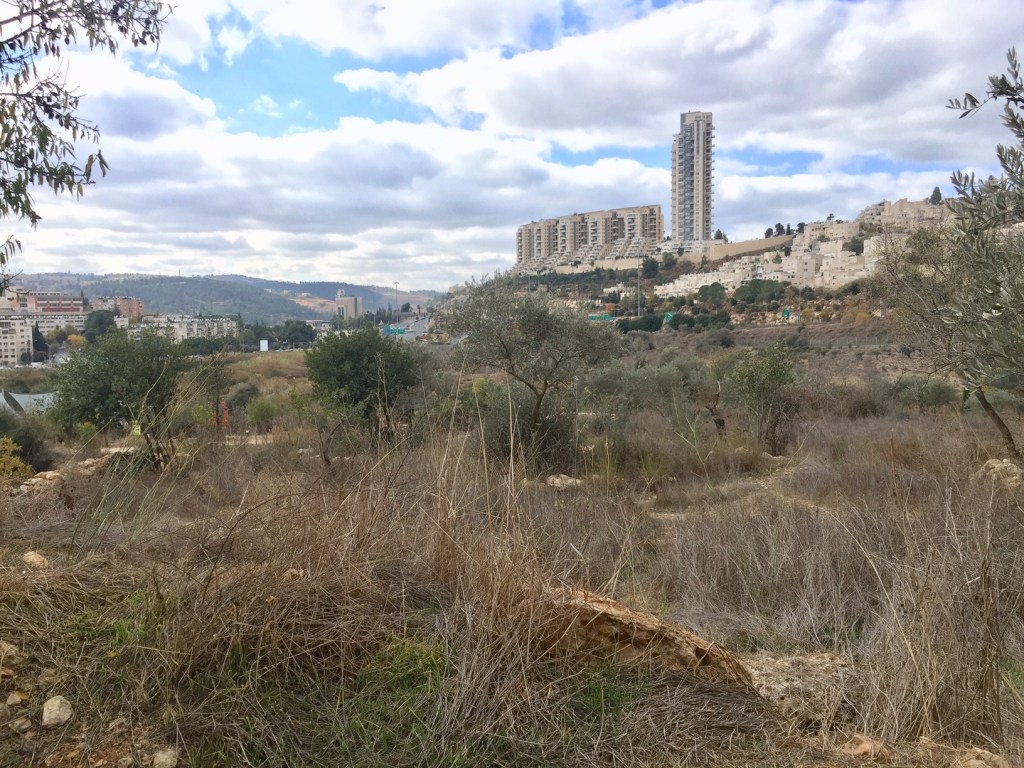
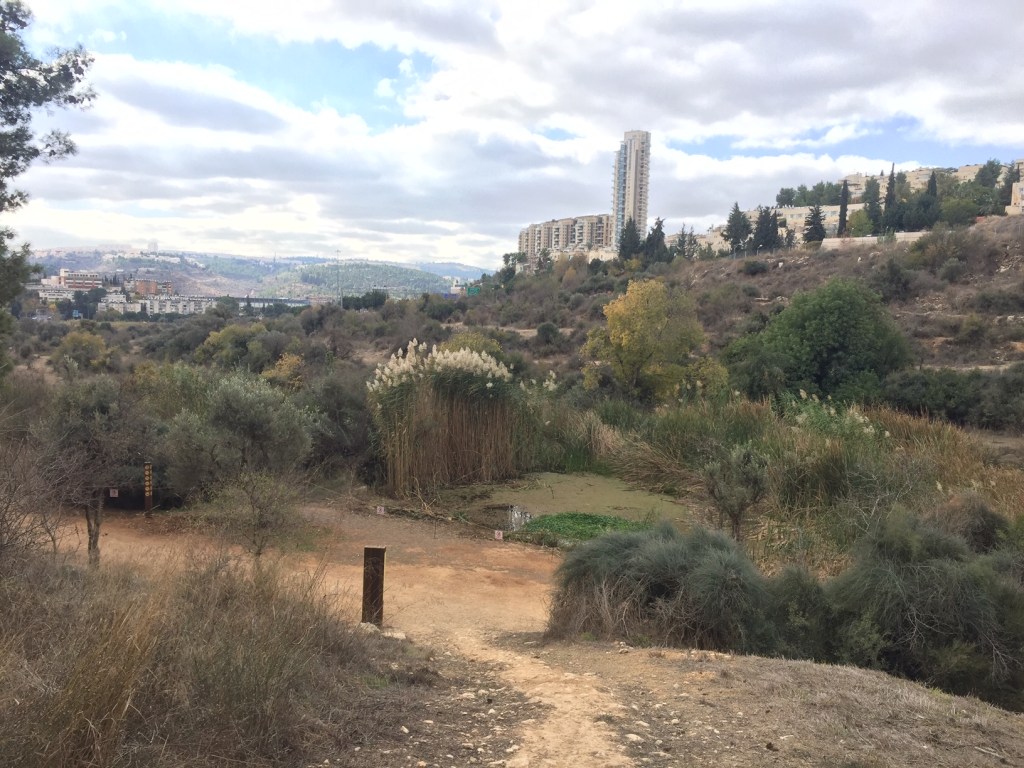
As you will see from the pictures I took, the Gazelle Valley does not feel very much like wild nature. Nonetheless, it is a valiant attempt to create hateva ba’ir — nature in the city. I spent several happy hours wandering around, looking at birds (I had brought my binoculars) and eating my lunch. Let me take you on a tour…
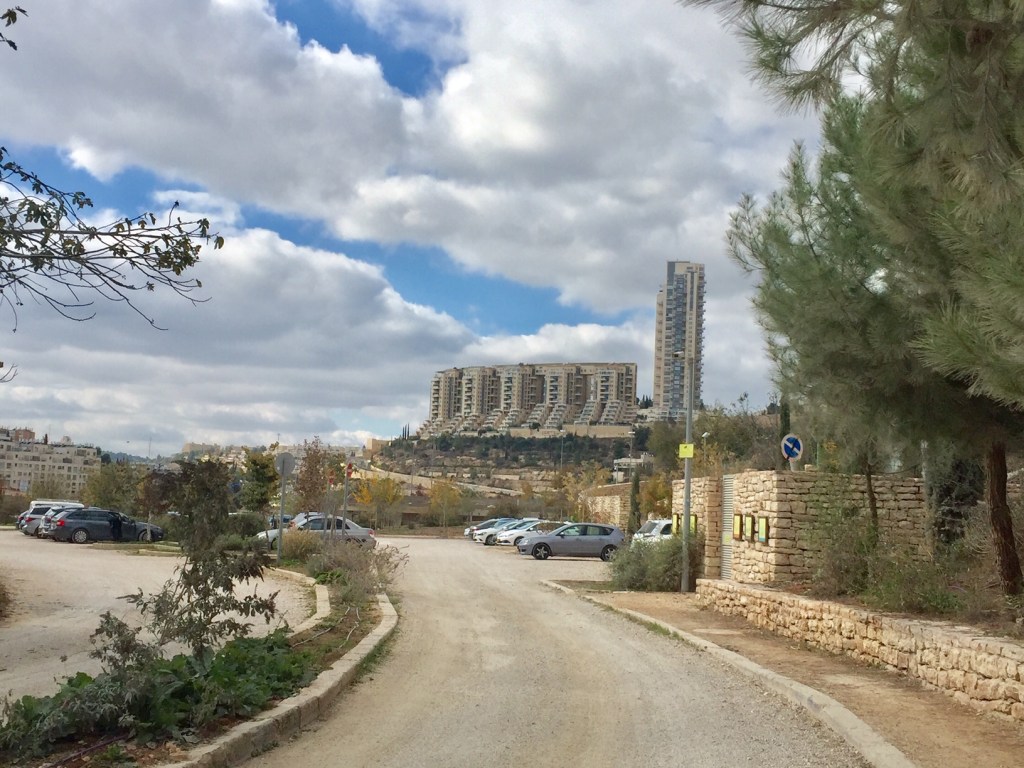
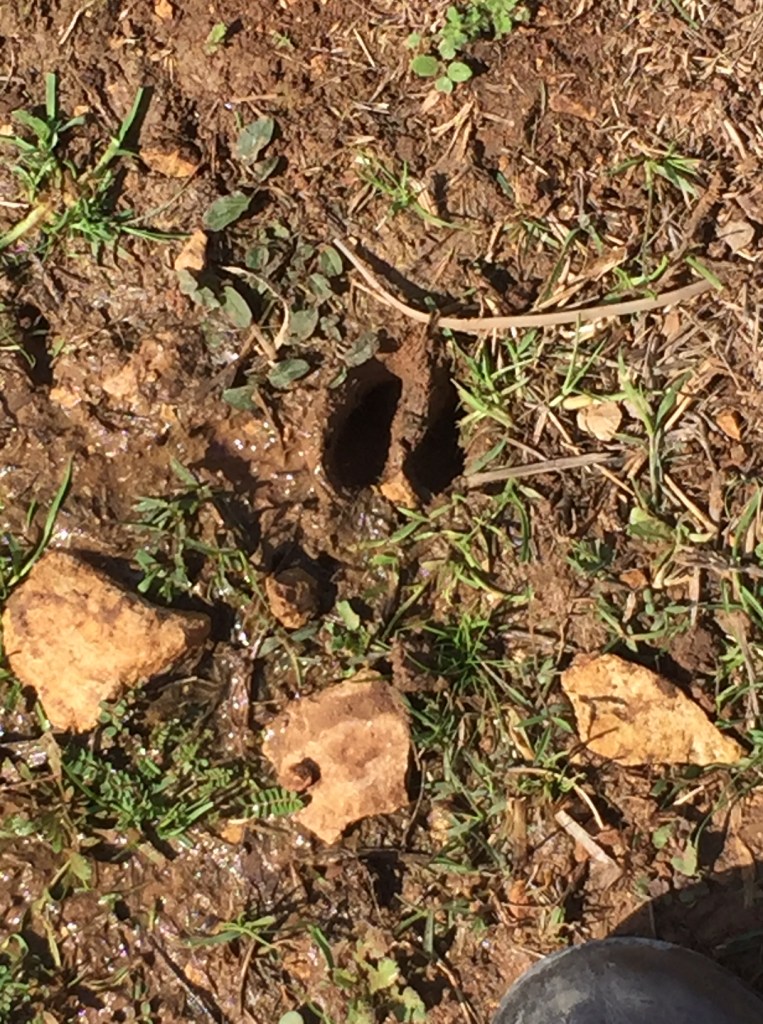
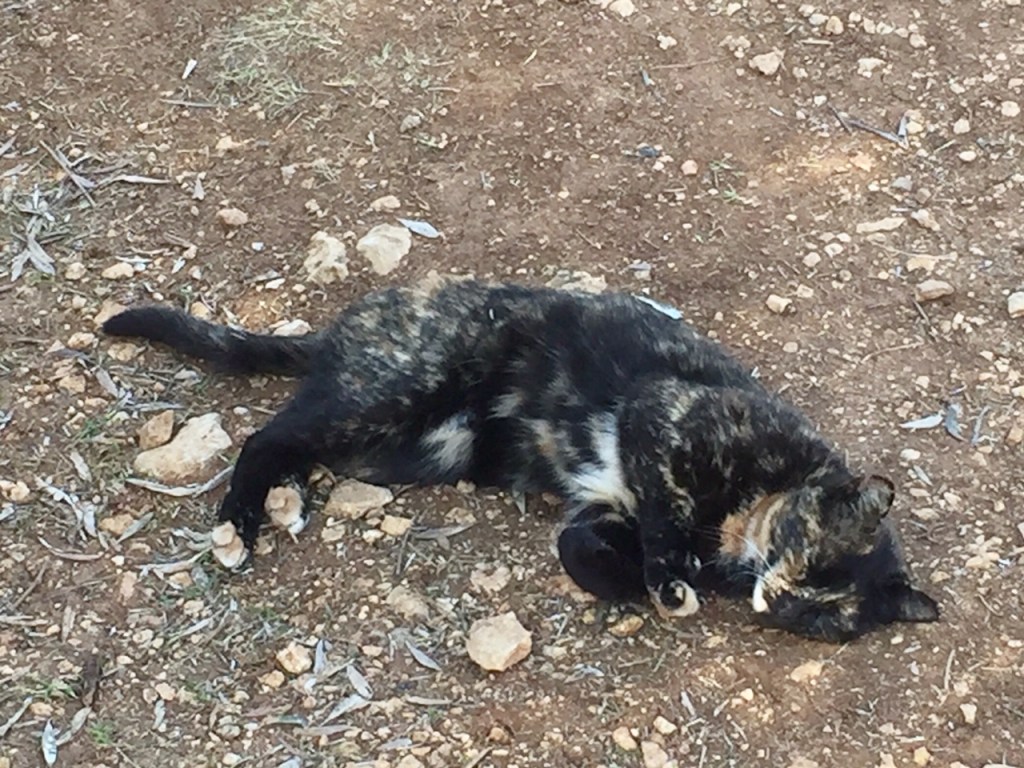
This is the parking lot of the Gazelle Park. The hideous development in the background looms over a huge section of South Jerusalem. There is no escape from this ugly building — it towers over the reserve. As you see, there is water in the midst of the park. They have created an area where water flows down the valley and is recycled back to the top. It attracted birds and amphibians. This was my first sign that there are actually gazelles in the park. Smaller than a deer hoof print. More than half of the park is fenced off from humans, and that’s where the gazelles were hiding.Even in this place where people are attempting to preserve and restore the natural habitat, the furry plague of Israel is at home. This kitty followed me for some time, inviting me to pat her, which I don’t do with wandering cats, even apparently healthy ones, for fear of ring worm.A school group was having an educational session in the area behind this sign.
I sat for a some time in the bird blind, looking into the swampy area at some birds. Then I sat on a bench and ate my lunch. I moved a chair close to the largest are of water, and observed many interesting water birds, including some I’d never seen before. Here’s a list of birds I saw in the Gazelle Valley: White Wagtail, European Marsh Hen, two or three different unidentified warblers, European Goldfinch (as seen on the cover of Donna Tartt’s The Goldfinch), Northern Shoveler, European Stonechat, some kind of Lark, Feruginous Duck, Garganey, Common Coot, Jackdaw, and a flash of yellow in the reeds that was probably either a Yellow or a Citrine Wagtail.
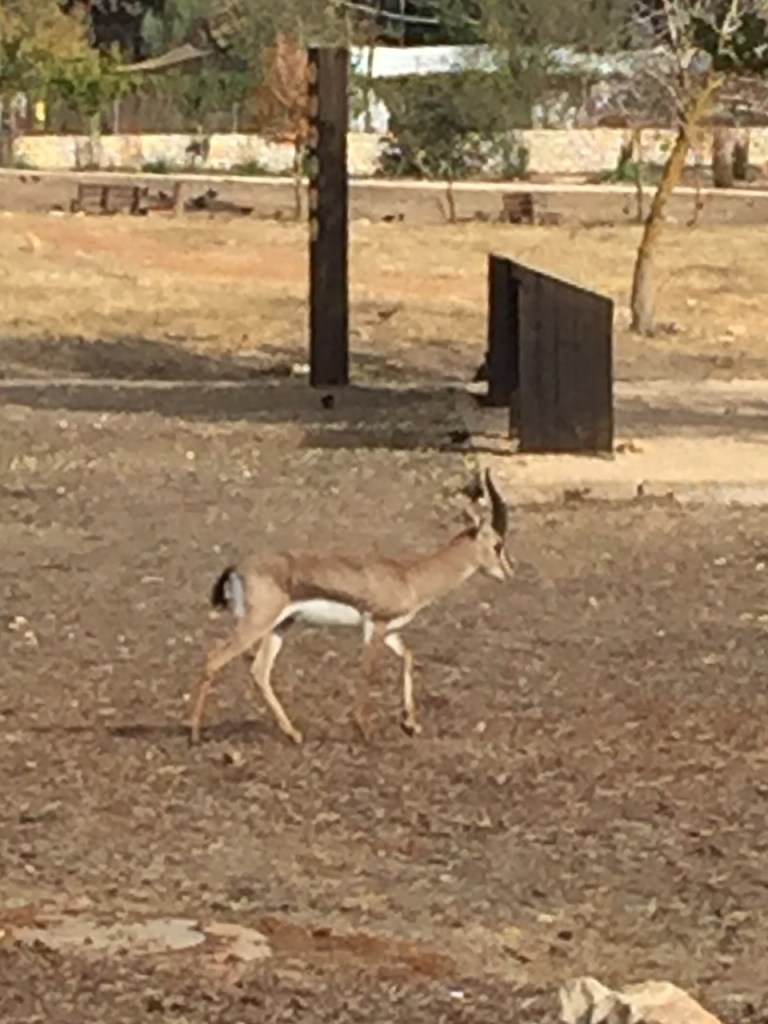
And finally, I saw a gazelle, ambling placidly across the picnic area.
It was at some distance, which is why the photo doesn’t have great resolution.
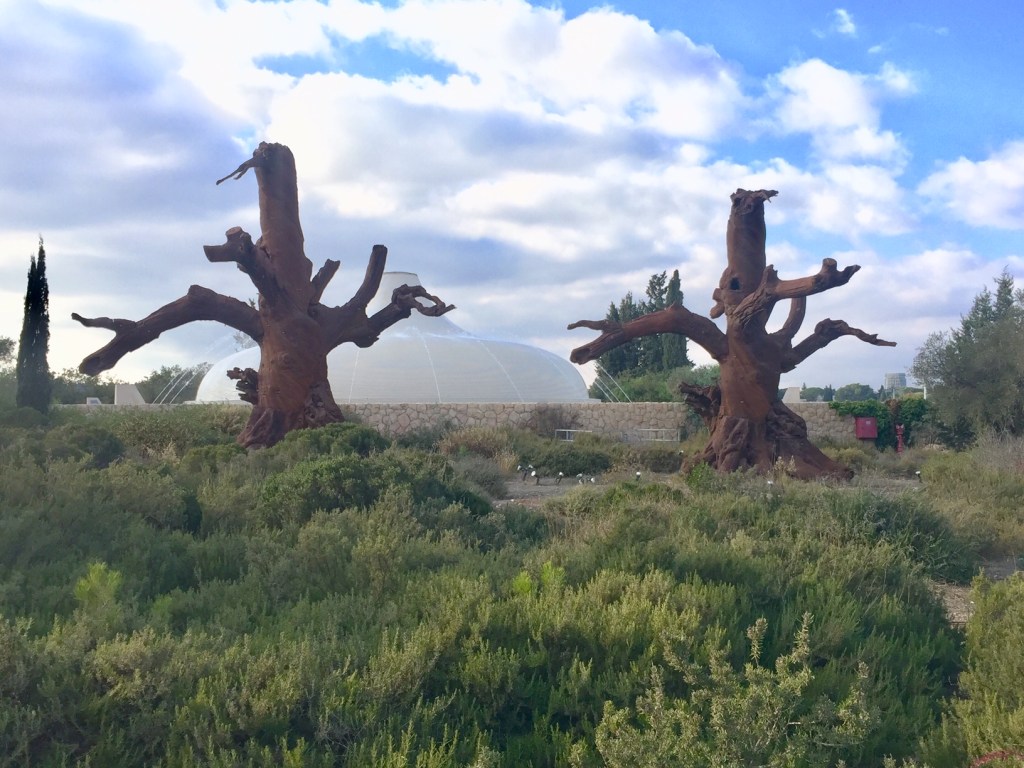
I finally left the Gazelle Valley preserve and set off for the Israel Museum. It was a moderately long uphill walk, through some nice neighborhoods. At last I approached the back of the museum. It was such a nice day that I could hardly bear to go inside. I lingered outdoors, mostly in the sculpture garden, which I had not bothered to see on previous visits. Here is some of what I saw:
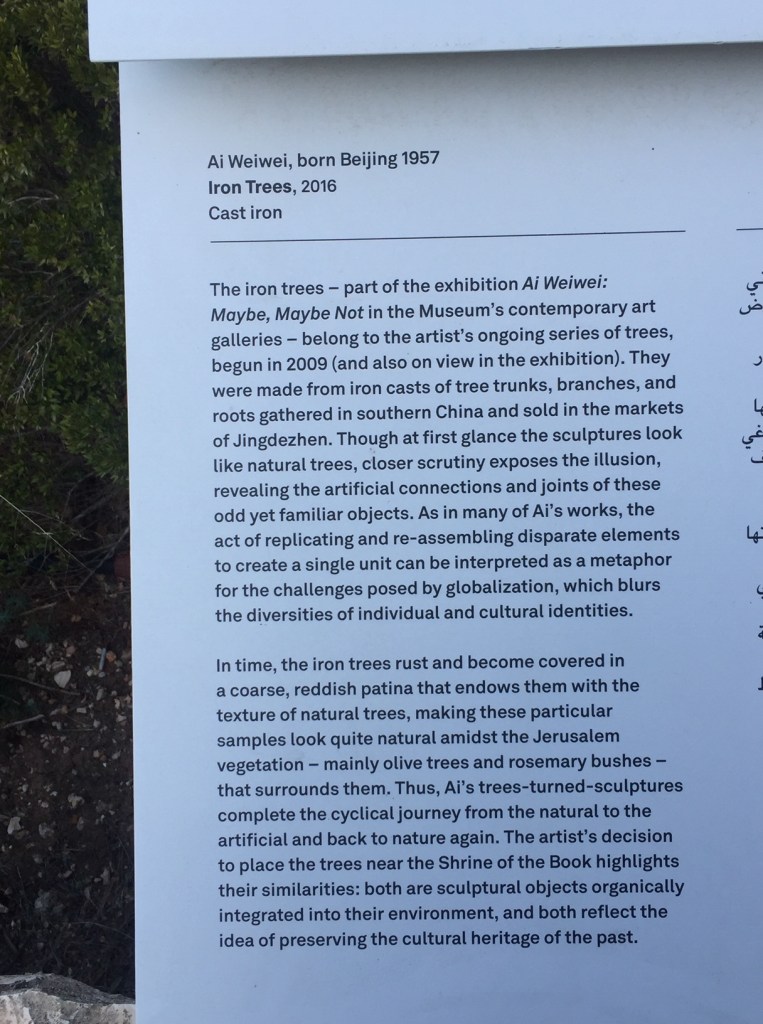
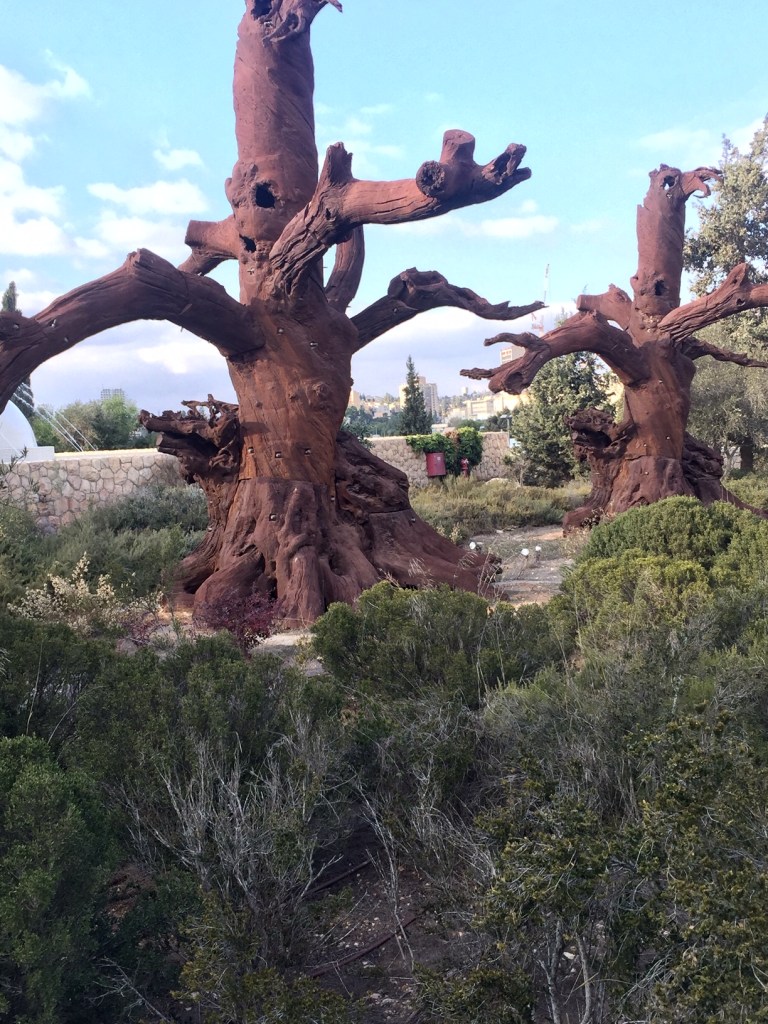
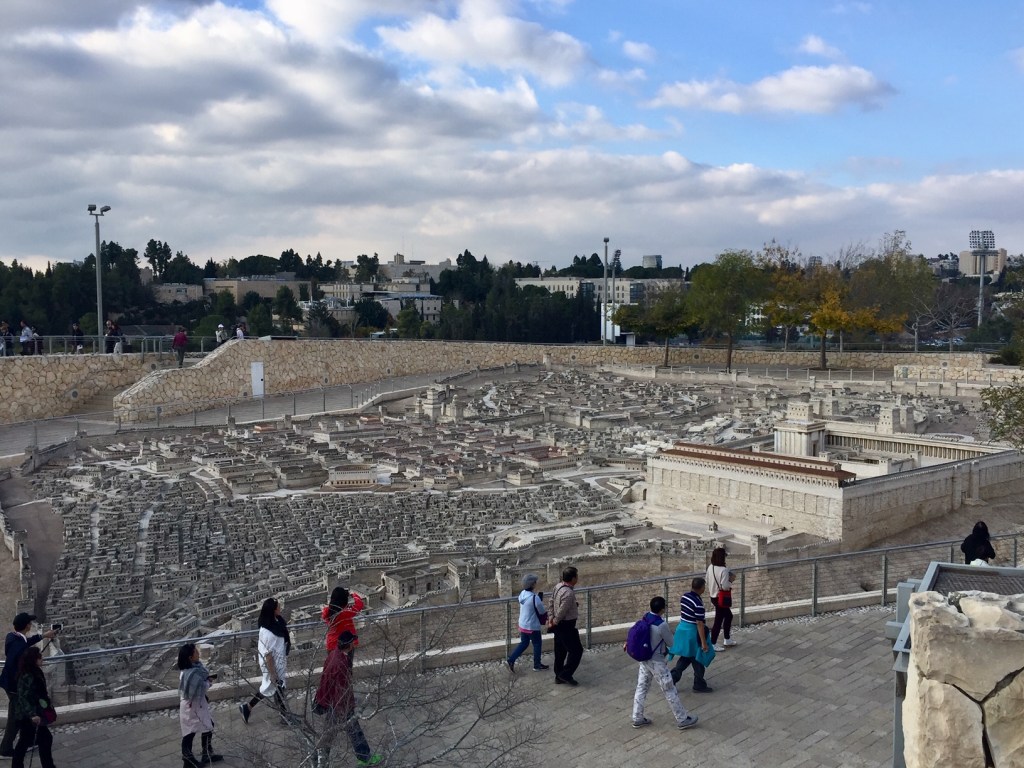
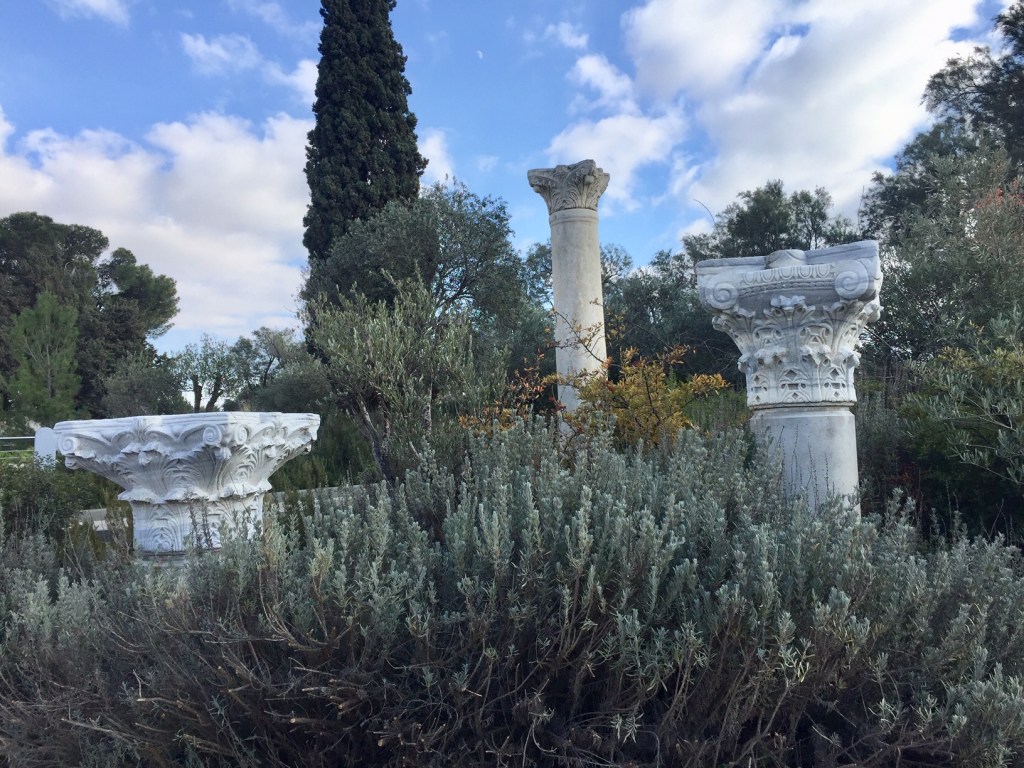
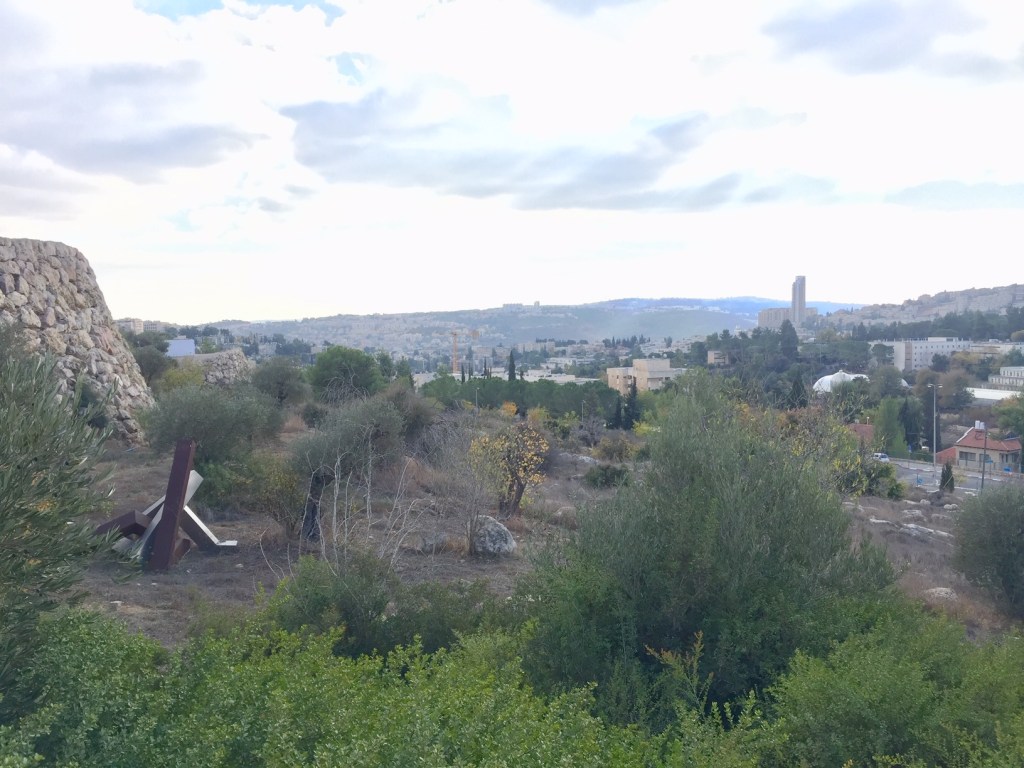
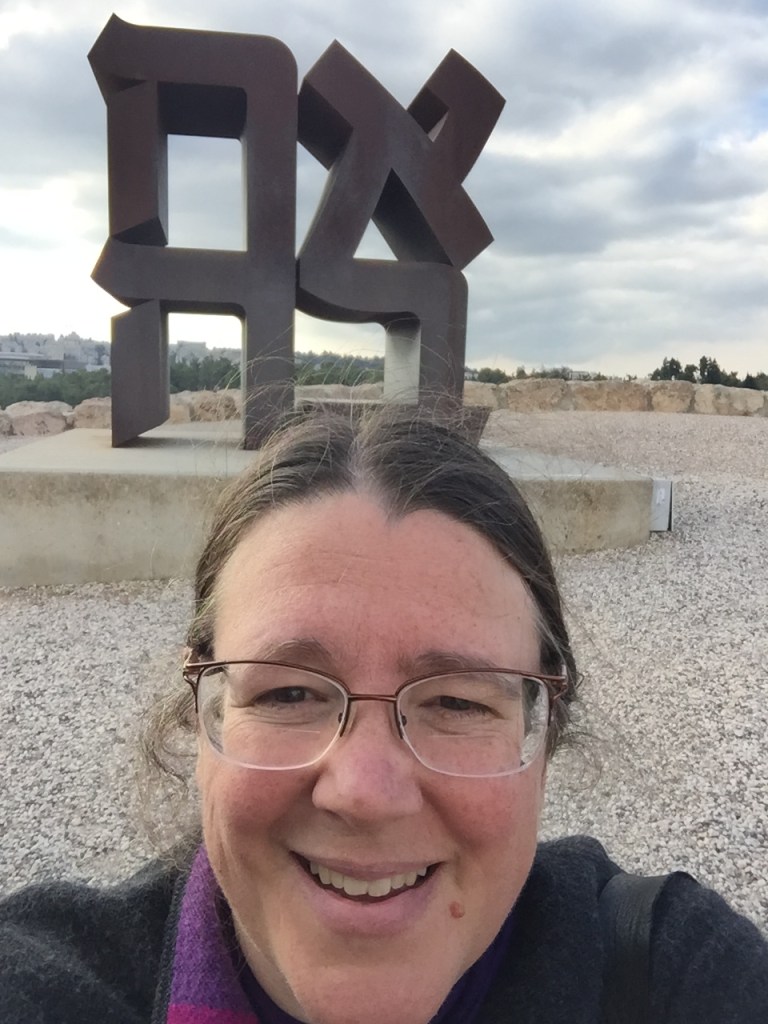
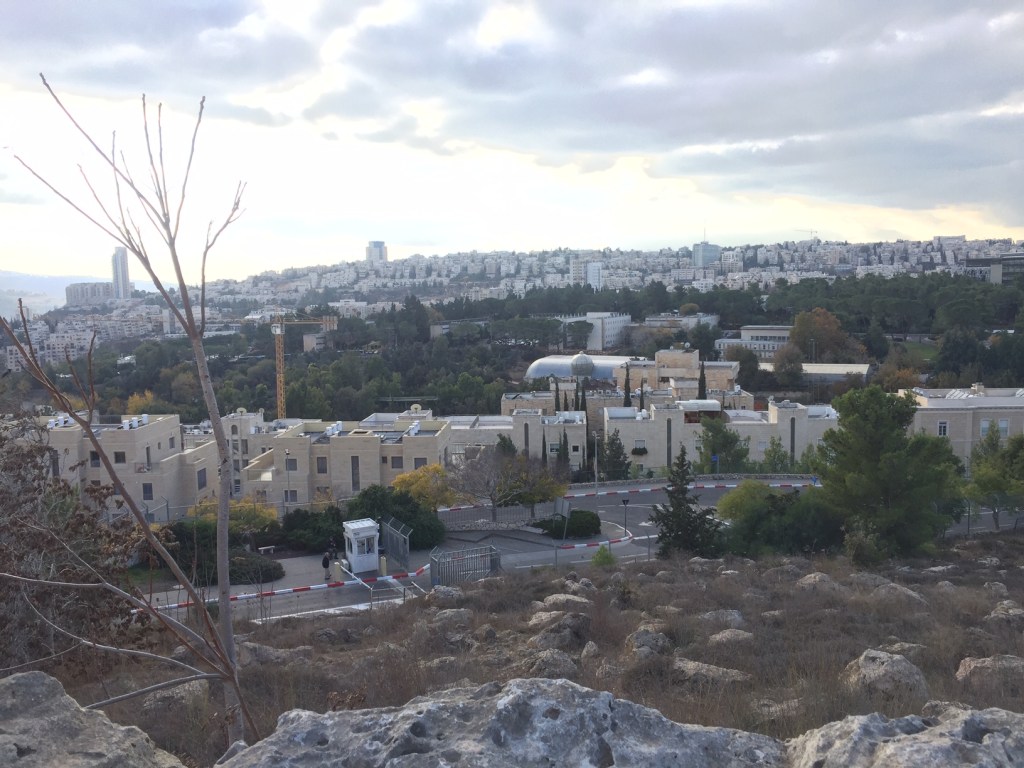
No, they’re not real trees…The white dome in the background, with water playing on it, is the roof of the dim sanctuary of the Shrine of the Book, where they house the fragments of the first seven “Dead Sea Scrolls” found at Qumran. You can read more about the Shrine of the Book here: https://www.imj.org.il/en/wings/shrine-book Near the Shrine of the Book is the model of Jerusalem in Temple times. I have visited it twice before, and there were tour groups, so I didn’t linger. You can read more here: https://www.imj.org.il/en/wings/shrine-book/model-jerusalem-second-temple-period A view form the sculpture garden down the valley. Top right, note that we still have not entirely escaped the hideous apartment building above the Gazelle Valley. This also gives you a sense of where I was in the morning in relation to the museum, which is behind me in this photo.Here I am in front of the the most iconic sculpture at the Israel Museum. This is AHAVA (Love), by Robert Indiana, given in 1977, “To the people of Israel in a spirit of international brotherhood” by Beverly and Dr. Raymond Sackler. (Yes, those Sacklers.)
According to the website of New York’s Museum of Modern Art (MOMA), “Few Pop images are more widely recognized than Indiana’s LOVE. Originally designed as a Christmas card commissioned by The Museum of Modern Art in 1965, LOVE has appeared in prints, paintings, sculptures, banners, rings, tapestries, and stamps. Full of erotic, religious, autobiographical, and political underpinnings—especially when it was co-opted as an emblem of 1960s idealism—LOVE is both accessible and complex in meaning. In printed works, Indiana has rendered LOVE in a variety of colors, compositions, and techniques. He even translated it into Hebrew for a print and a sculpture at the Israel Museum in Jerusalem.” From Wikipedia: “Love‘s original rendering in sculpture was made in 1970 and is displayed in Indiana at the Indianapolis Museum of Art.”
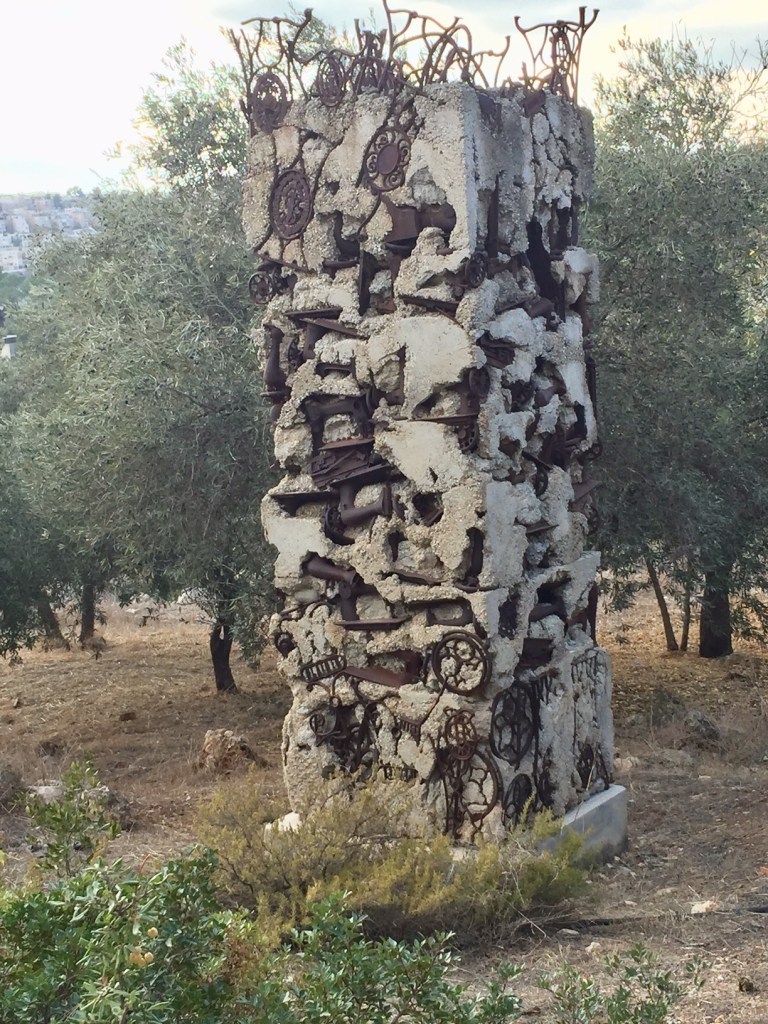
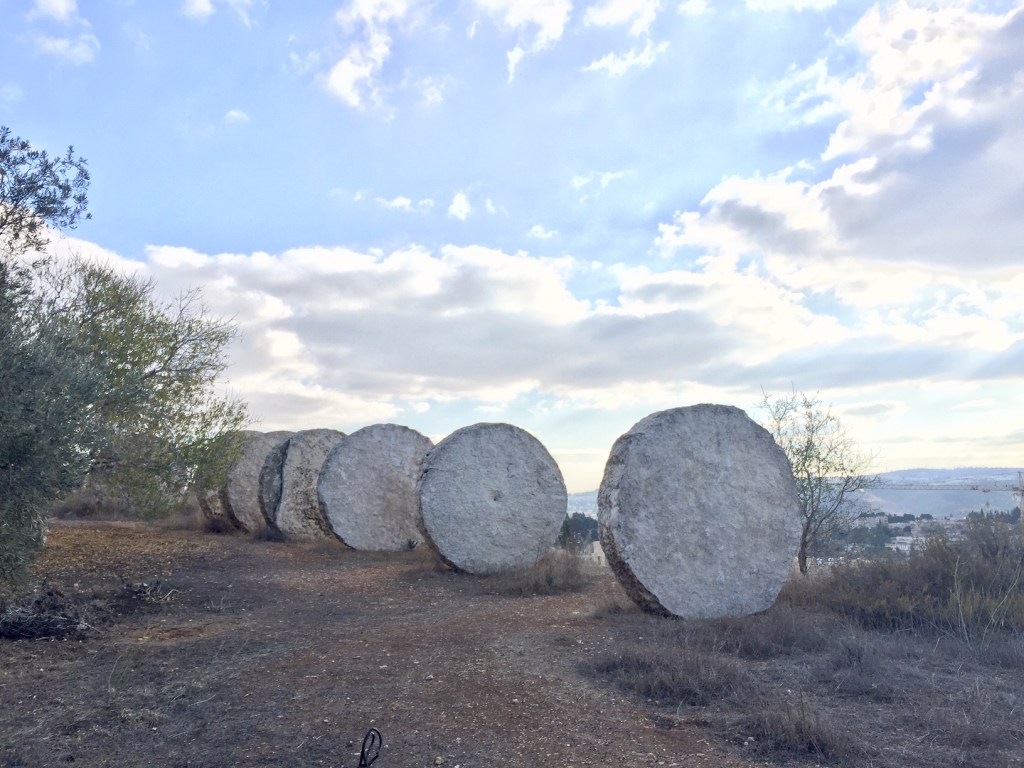
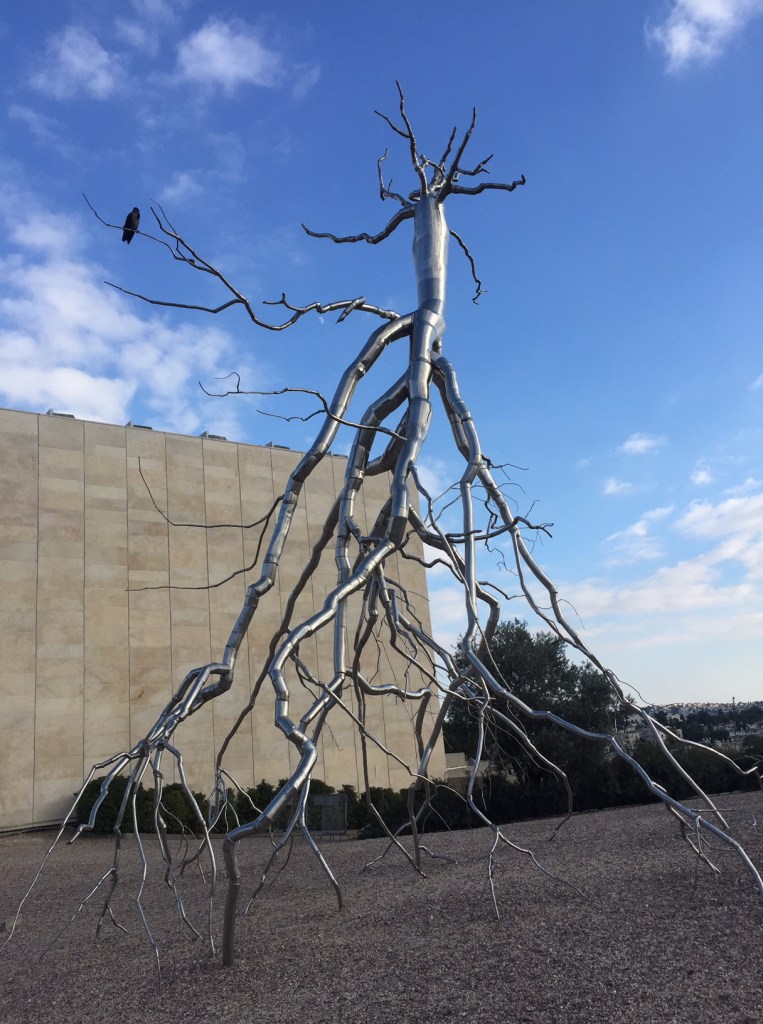
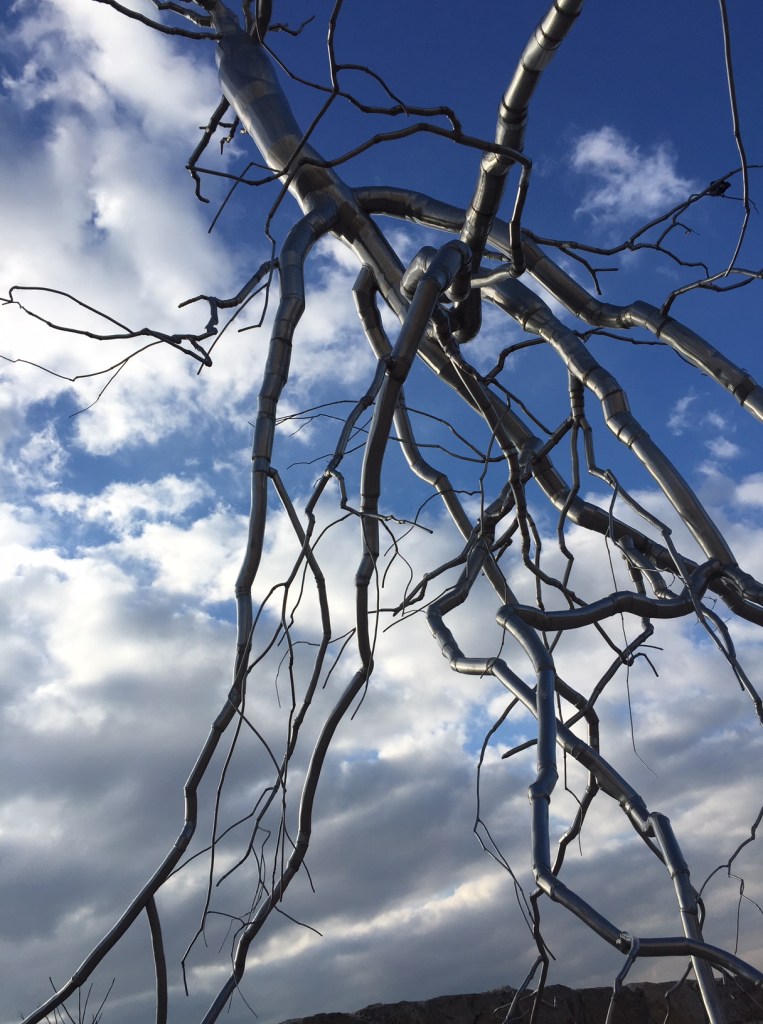
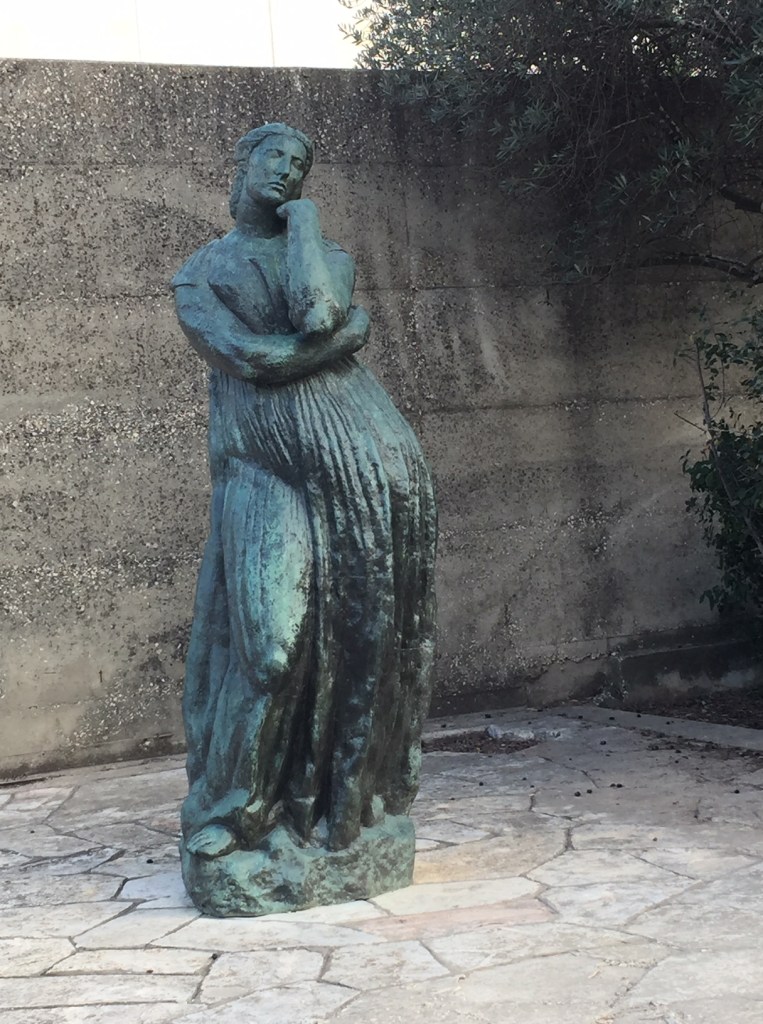
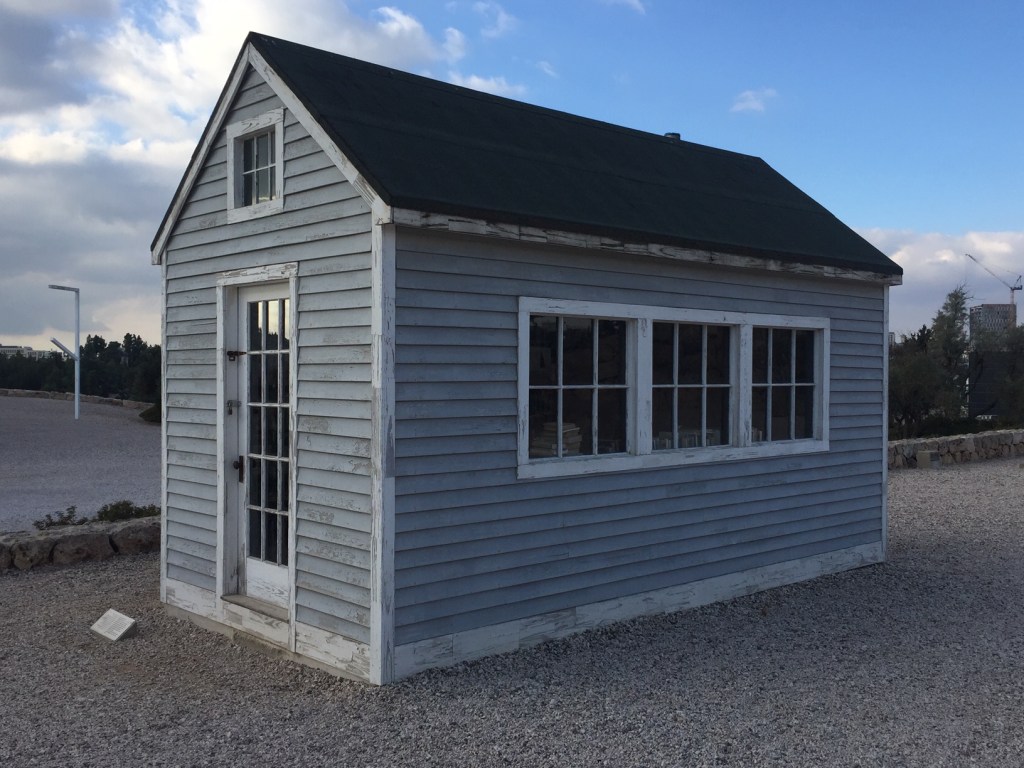
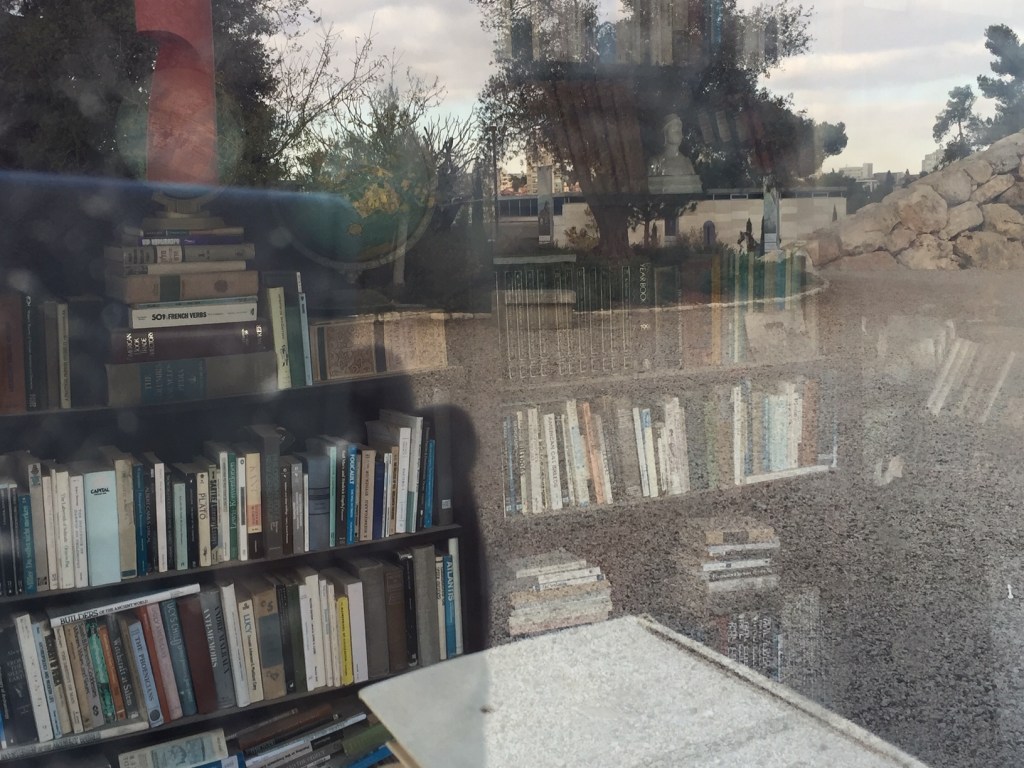
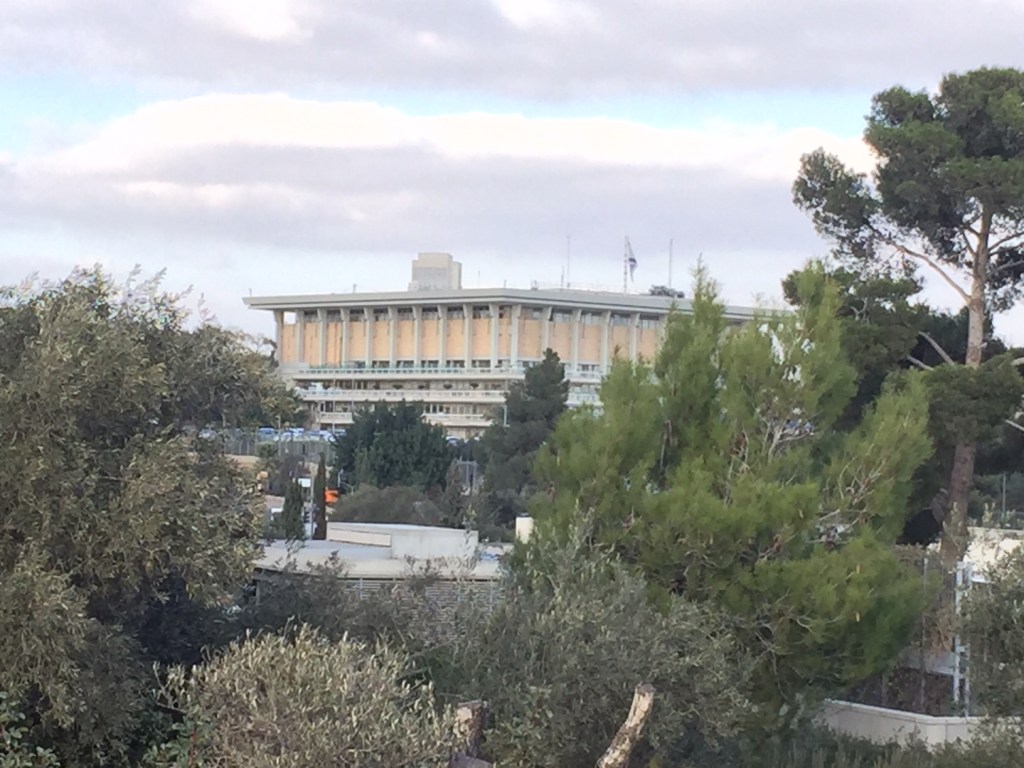
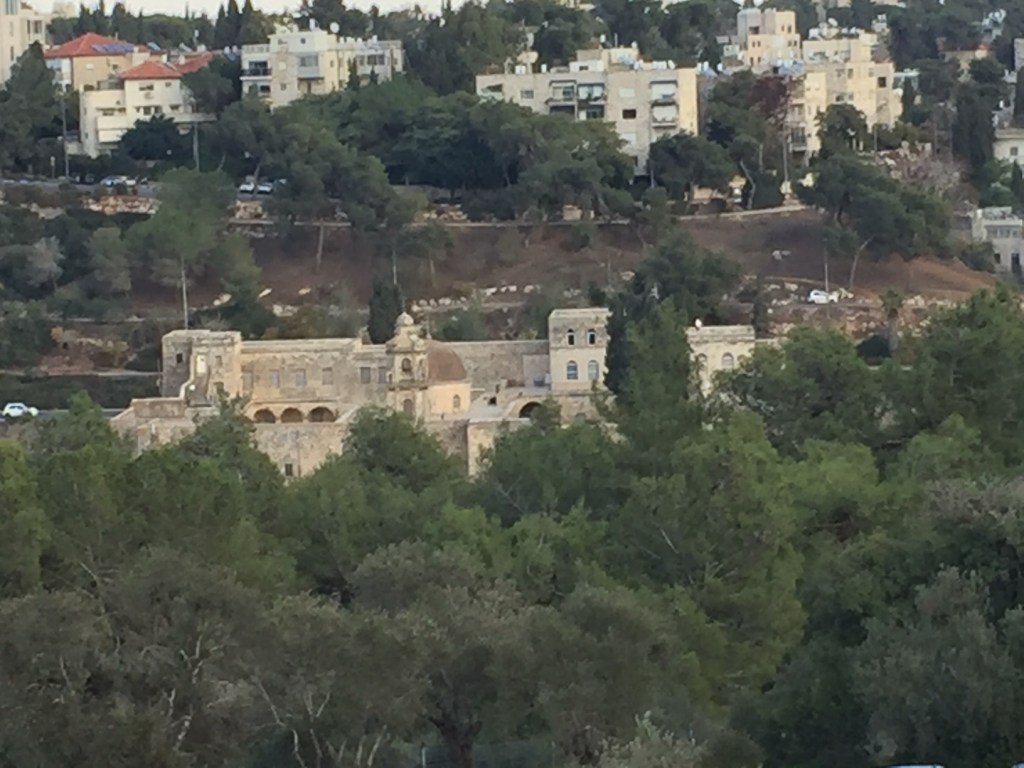
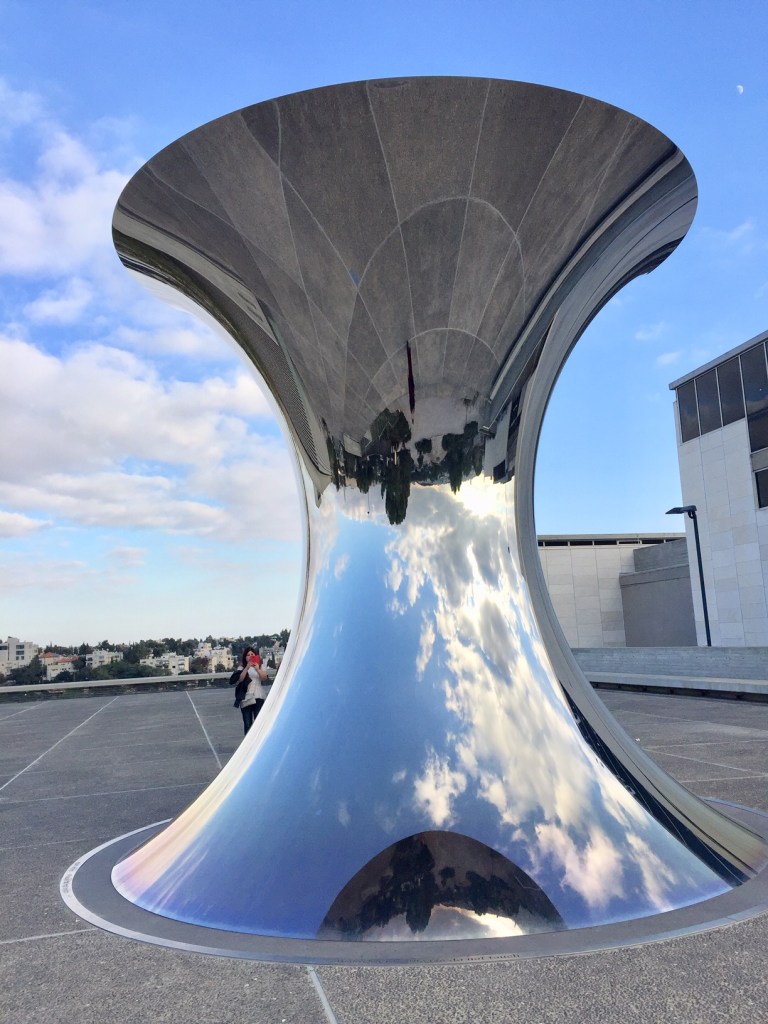
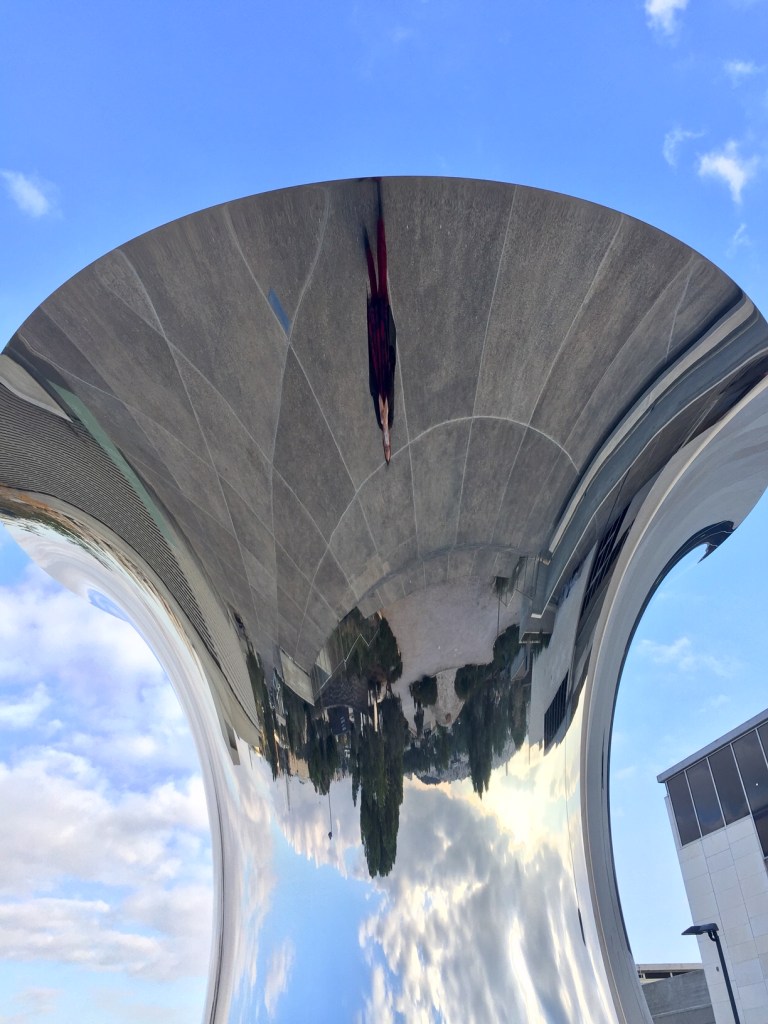
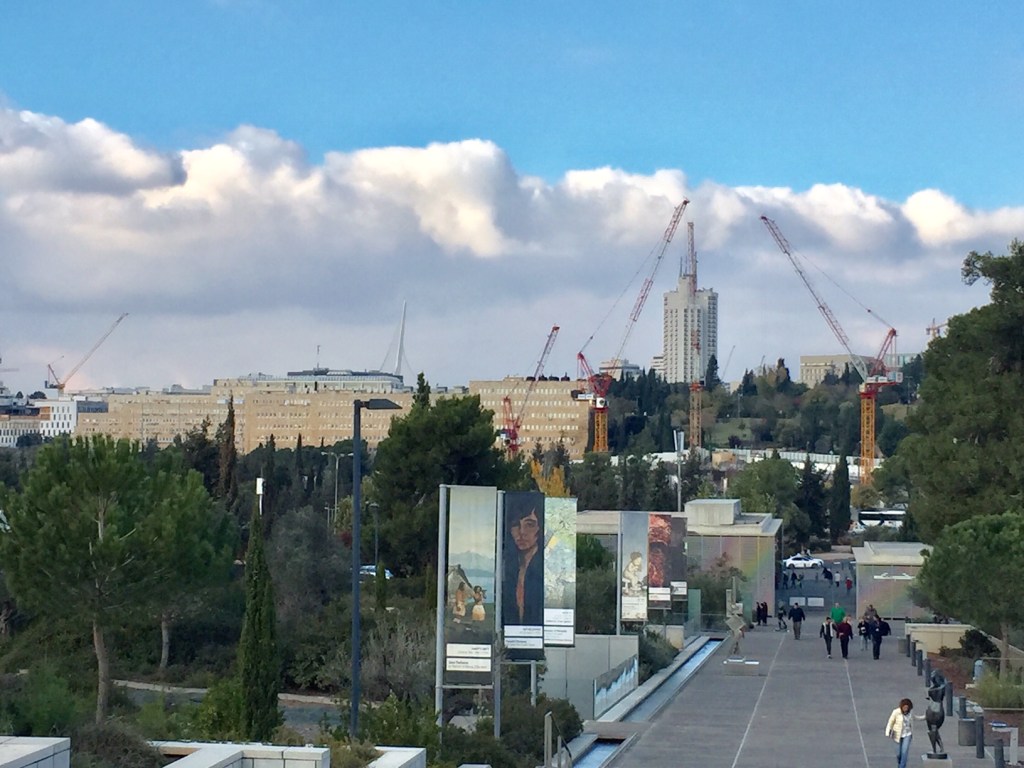
“Homage to the garment district,” Arman, 1974 — concrete embedded with sewing machines“Negev”, Magdalena Abakanovicz, 1987I didn’t record the title of this one. It’s a tree upside down — I loved that the crow was sitting in the “roots”.I law down under it to get this view. The sky often has a vast feeling here i Israel…Another view of the valley. In the center you see the conservatory at the Botanical Garden (see my post about my visit to the Botanical Garden for a close-up view.)“The antiquarian shop,” Mark Dion, 2008. His materials included: .wooden furniture, metal furniture, books, plaster busts, various tools, magazines, paper ephemera, framed photographs, postcards, maps, cigar boxes and other containers, stationery supplies, bottles, tins, lamps, globes, William Morris wallpaper, pegboard, sweaters, locks and hardware, portfolio, photographs and printsA look through the front windows. You feel the oddness of things, juxtaposing this seeming little shop from Cape Cod withe reflections in the background. It was disorienting — when looking into the “Shop”, or at its outside, I felt that behind me should be salt marshes and other New England buildings. I asked myself, “Is this really art?” But if art is something intended to produce complex emotions, then this is art. I don;t know if it would strike me as art if I found it on the grounds of an art museum on Cape Cod, however! From the Israel Museum you see the Knesset. It’s startling to think that the complex, contentious, and oft-times dysfunctional political affairs of the State of Israel are conducted right here. I also have this feeling when I walk up the hill from my apartment and come within spitting distance of the building where the Prime Minister lives.In the valley on the opposite side of the museum is the Monastery of the Cross, an Eastern Orthodox monastery located in the park in Valley of the Cross. According to Wiki, “Legend has it that the monastery was erected on the burial spot of Adam‘s head—though two other locations in Jerusalem also claim this honor—from which grew the tree that gave its wood to the cross on which Christ was crucified. It is believed that the site was originally consecrated in the fourth century under the instruction of the Roman emperor Constantine the Great, who later gave the site to king Mirian III of Kartli after the conversion of his kingdom to Christianity in 327 AD. The monastery was built in the eleventh century, during the reign of King Bagrat IV by the Georgian Giorgi-Prokhore of Shavsheti.” I’m planning to get there to see it one of these days.An odd and fascinating sculpture…It the top, my reflection, holding up my phone to take the pictureAS I made my way down the central walkway to the restaurant, this view truck me. Jerusalem is building all the time. I love the way these cranes are juxtaposed with the profile of the “David’s Harp Bridge” in the distance (designed by Santiago Calatrava as part of the Jerusalem light rial system, opened in 2008). After looking at so much sculpture, I saw this skyline a a continuation of that theme.
I ended my afternoon at the museum with a delicious late lunch in the restaurant. I started my meal with “The hot dish – green, red, zhug, chickpeas and tahini”, and finished it with Apricot Kebab on a bed of lentils. Then I made my way out to the bus stop, where I waited in the cold evening for my ride back to my neighborhood. It had been a good day.
Love traveling with you, especially recognizing some of the places where we have been. When I was teaching Hebrew aleph bet I referred to the AHAVAH sculpture—wish I’d had your picture to share!
I’m sure you’ll enjoy Chanukah in Israel, and not being inundated with Christmas music1

 Nine months in Israel
Love traveling with you, especially recognizing some of the places where we have been. When I was teaching Hebrew aleph bet I referred to the AHAVAH sculpture—wish I’d had your picture to share!
I’m sure you’ll enjoy Chanukah in Israel, and not being inundated with Christmas music1
Best wishes, Faith
>
LikeLike