Some days it’s harder not to be in Israel right now. Last week, as Yom HaZikaron (Israel’s Memorial Day) segued into Yom HaAtzma’ut (Israel’s Independence Day), I felt some strong pangs. Even from my apartment I would have been able to feel the solemnity of Yom HaZikaron and the joyous celebration of Yom HaAtzma’ut differently than I felt it here, far across the ocean. At lunchtime I watched part of the live celebrations from David’s Tower that were taking place as Yom HaZikaron ended in Israel and Yom HaAzma’ut began. The group leading the musical Hallel and Ma’ariv (standing carefully six feet apart from each other and fenced off from any live viewers, if such there were) was excellent. The tunes carried me back to Israel, and I found tears in my eyes.
It’s a complicated country, but a special one — and essential, l’da’ati (in my opinion). Not for nothing do the Israelis observe Yom HaShoah (Holocaust Remembrance Day) a week after the last day of Passover and a week before Yom HaZikaron and Yom HaAtzma’ut. It’s hard to avoid seeing cycles of destruction and renewal in the history (and mythology) of the Jewish People. Here in the States a lot of people tend to see Israel only through the lens of the Israeli/Arab problem, but there’s a lot more to think about in the long arc of the Jewish story. Which is by no means to say that I applaud the way the Israeli government has handled the Palestinian Arab situation.
In any case, as I sit here missing my life in Jerusalem (even tucked up in my apartment), and as I consider the importance of the existence of a Jewish state, however conflicted it may be, it seems like a good time to return to my blog and post some more pictures from the last tiyyul I took with Pardes, back in — can it be? — early February, before the almond tress bloomed.
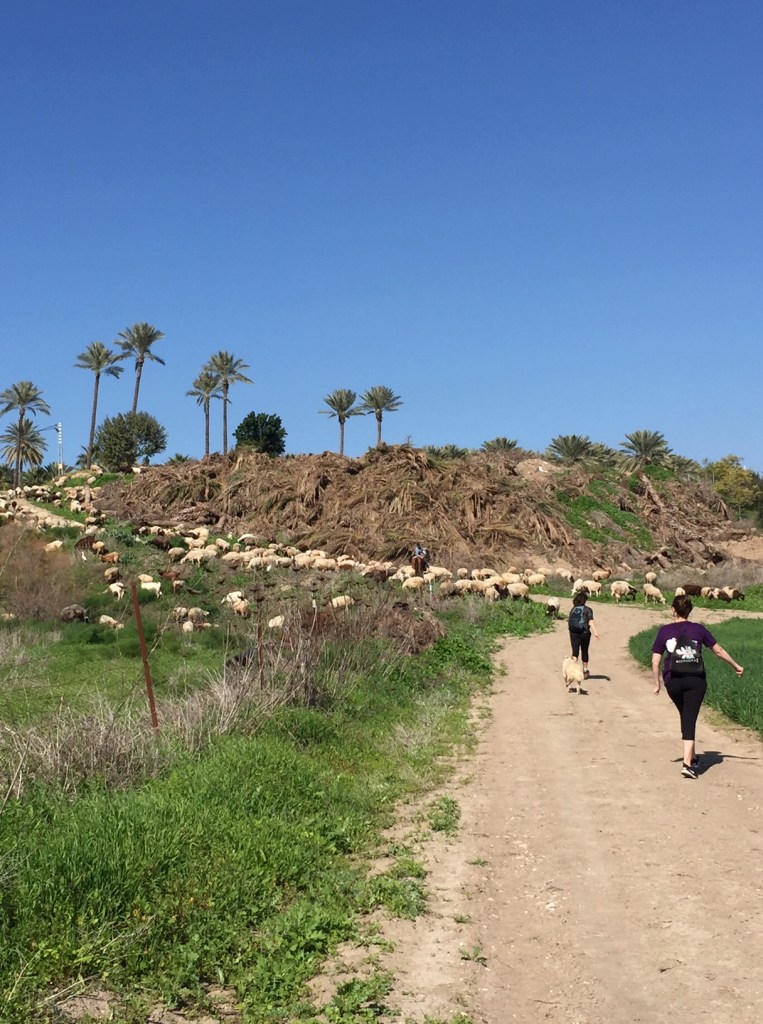
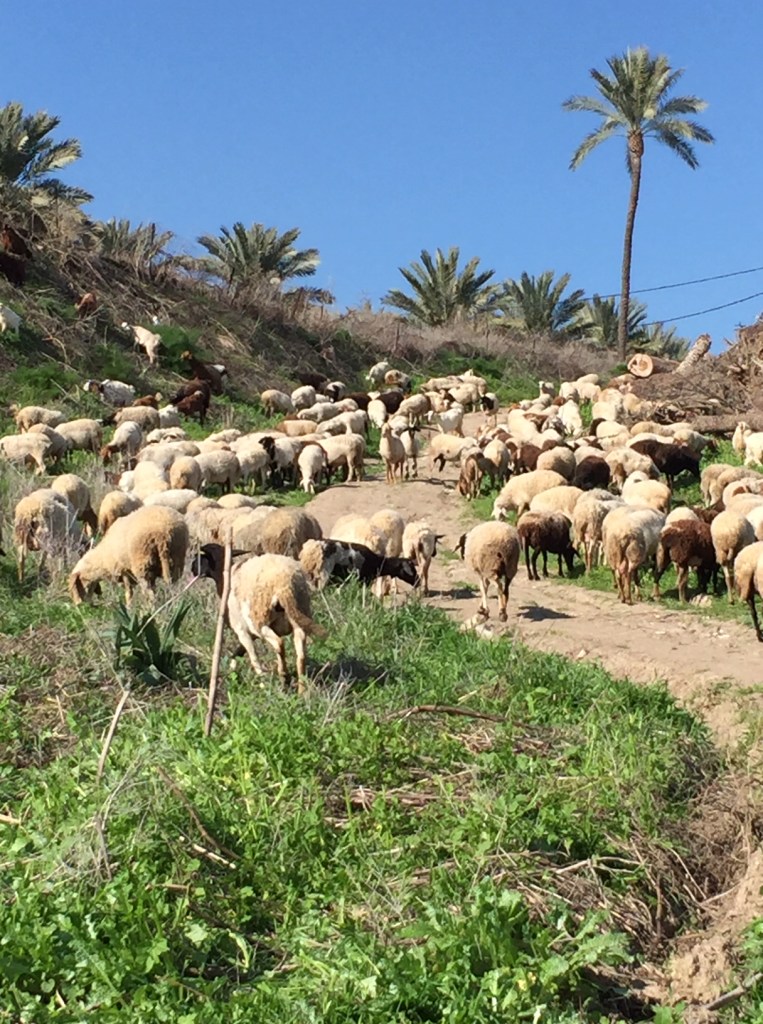
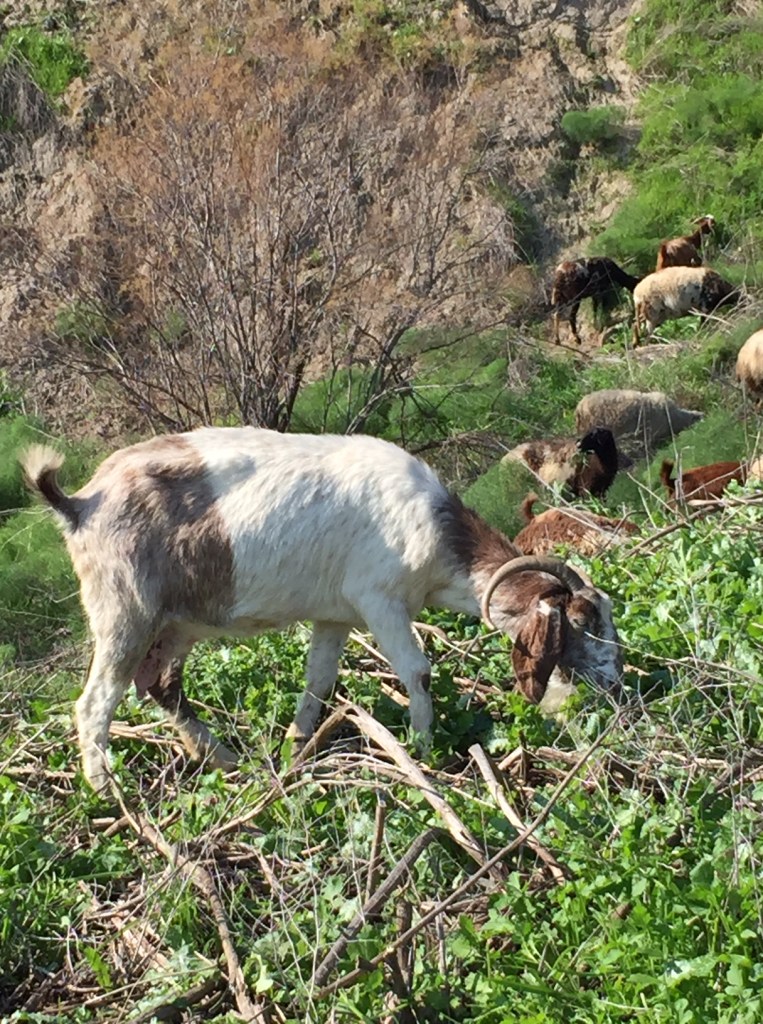
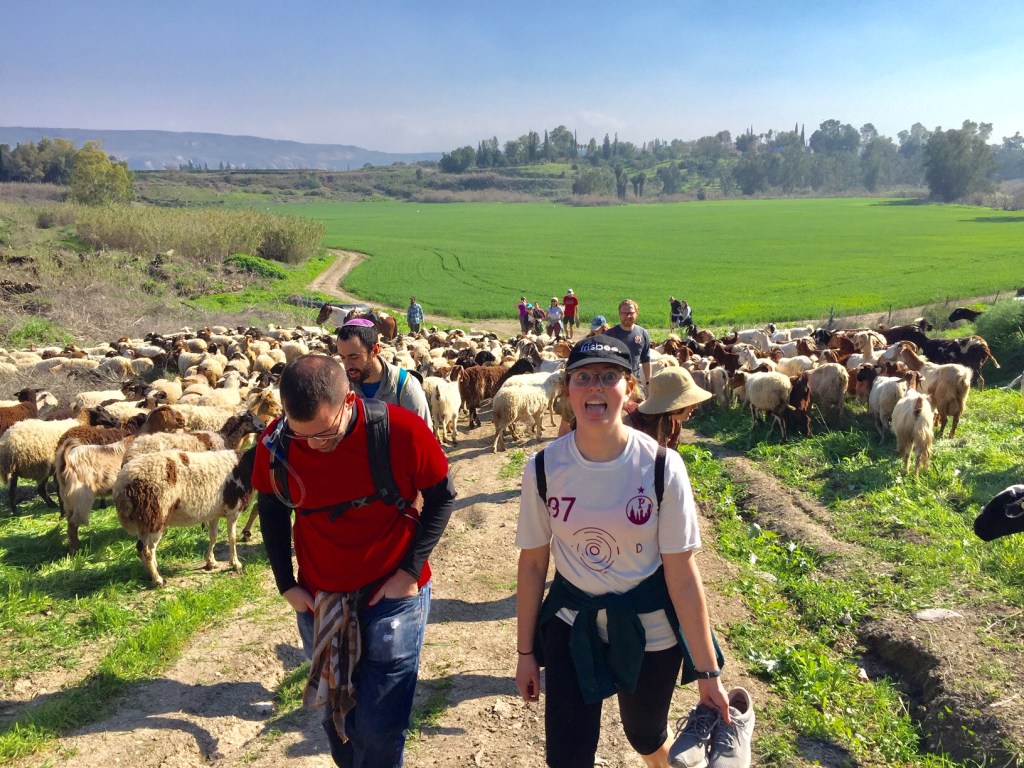
Way back on March 8 (about a month after the original trip) I posted about the beginning of our tiyyul, where we visited a disused bridge from Israel to Jordan. From there we drove north, and began a trip to reflect on the history of the kibbutzim. We disembarked from the bus and began our hike through the fields. In early February it was warm — about 70 degrees Fahrenheit. We all felt the relief of winter beginning to leave and spring to unfold (although there would be many more weeks of rainy cold weather before winter was altogether behind us). As I look a these pictures now, it seems strange that it was greener in Israel in January than it is here in Vermont at the end of April!
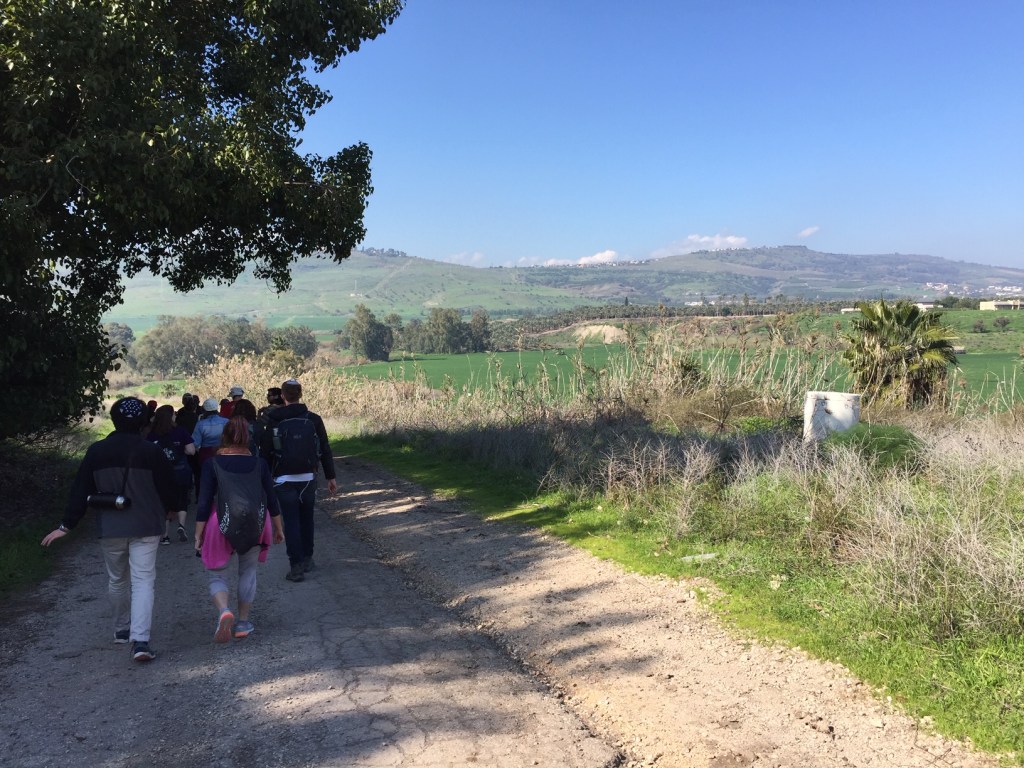
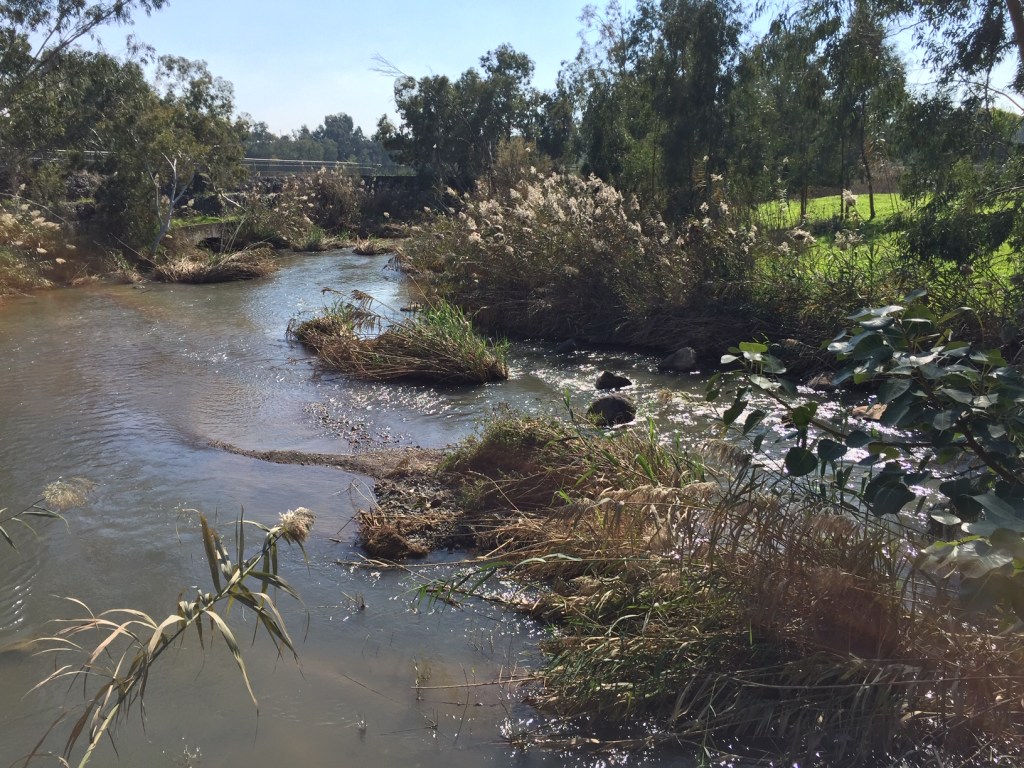
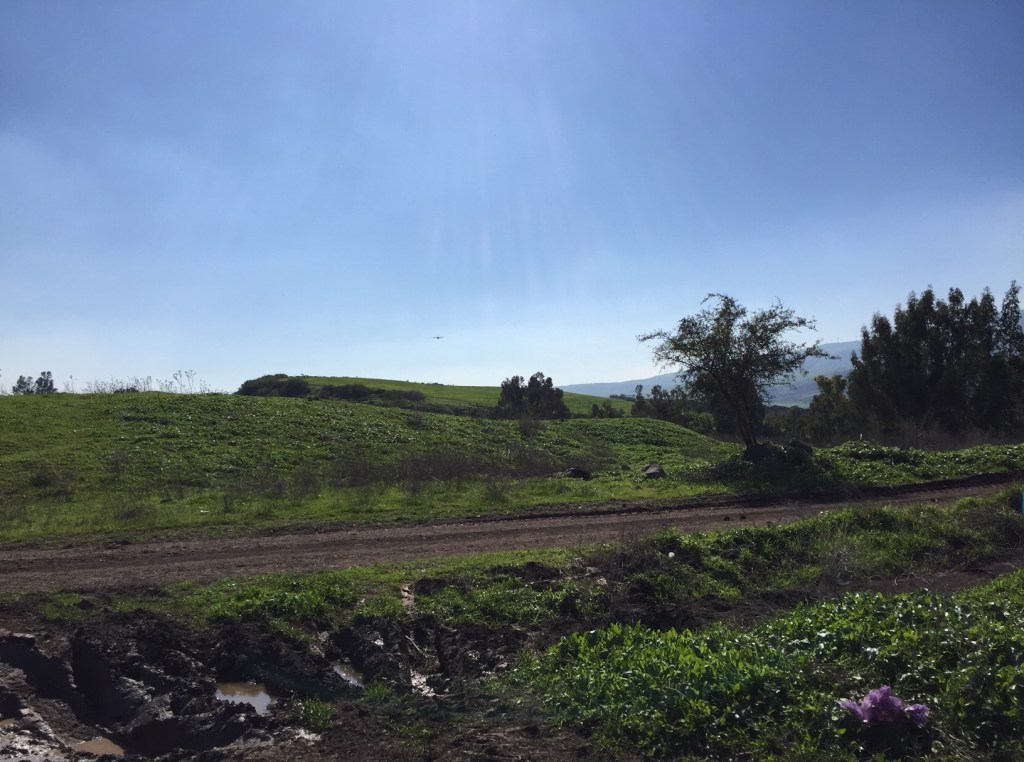
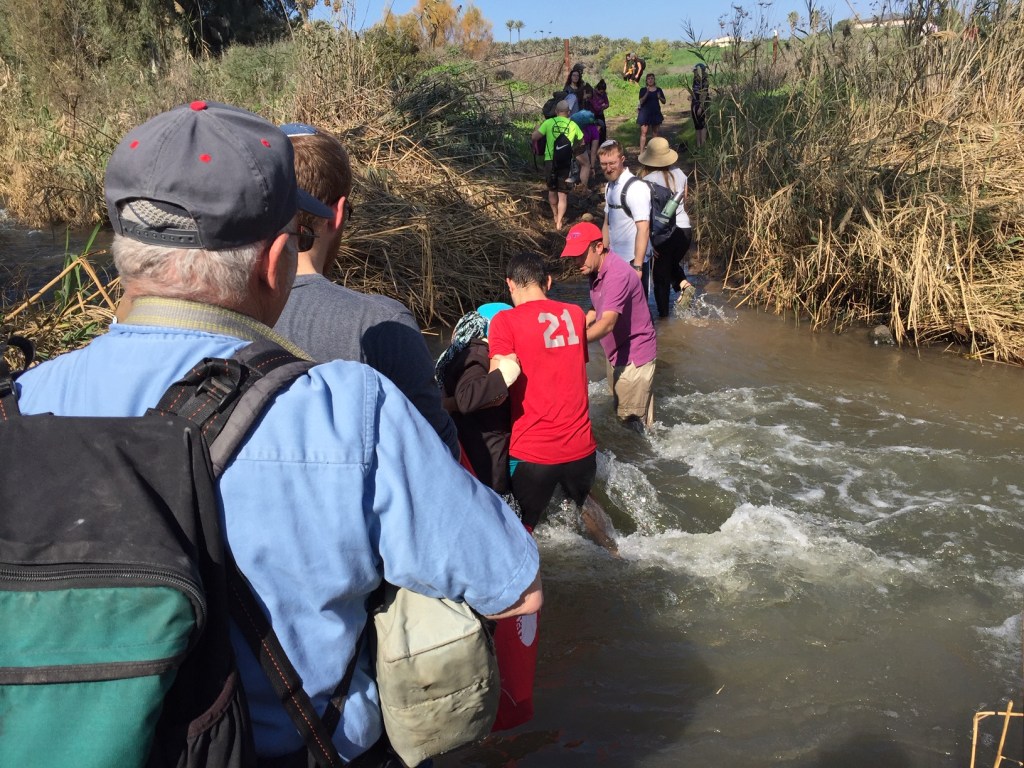
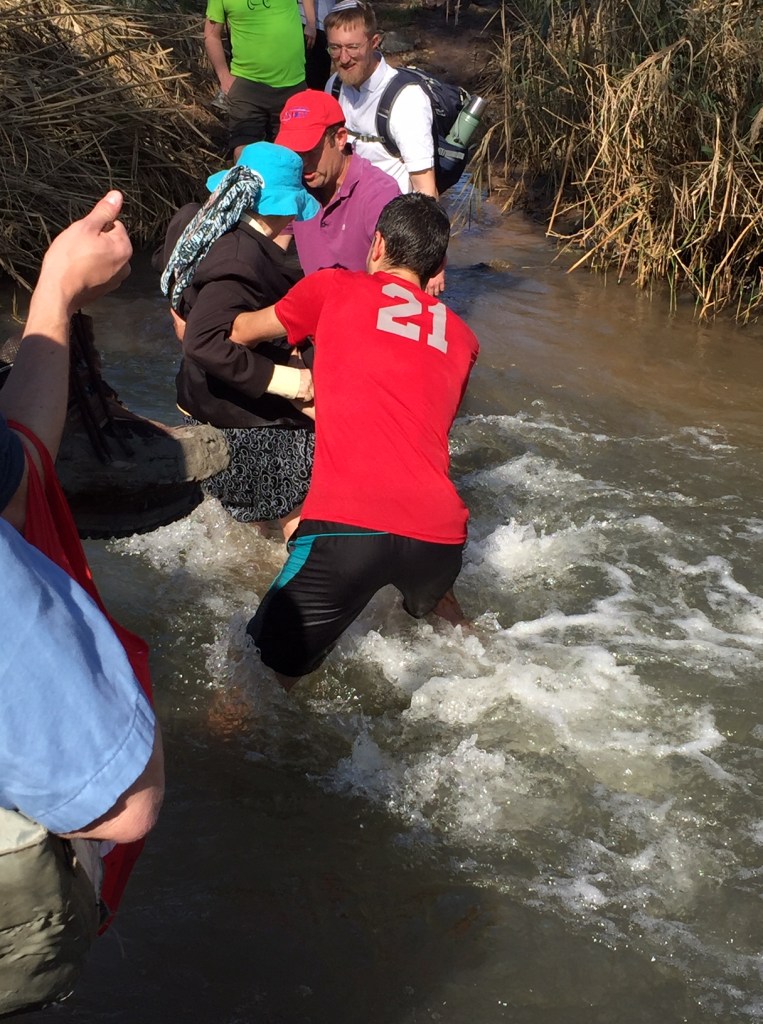
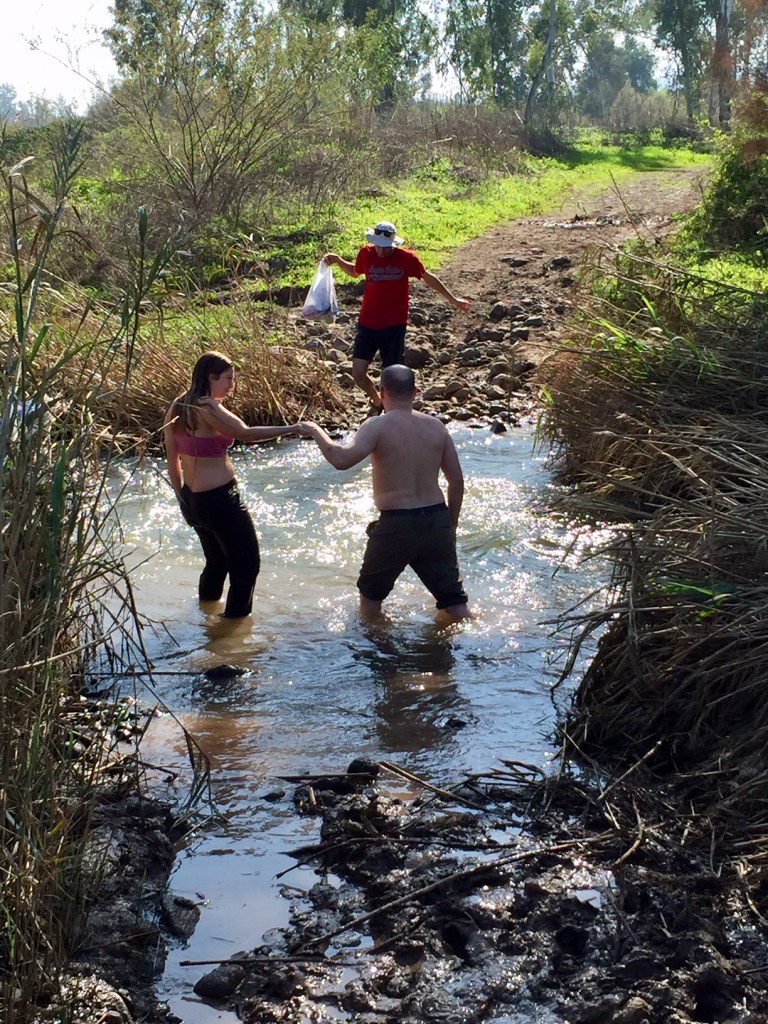
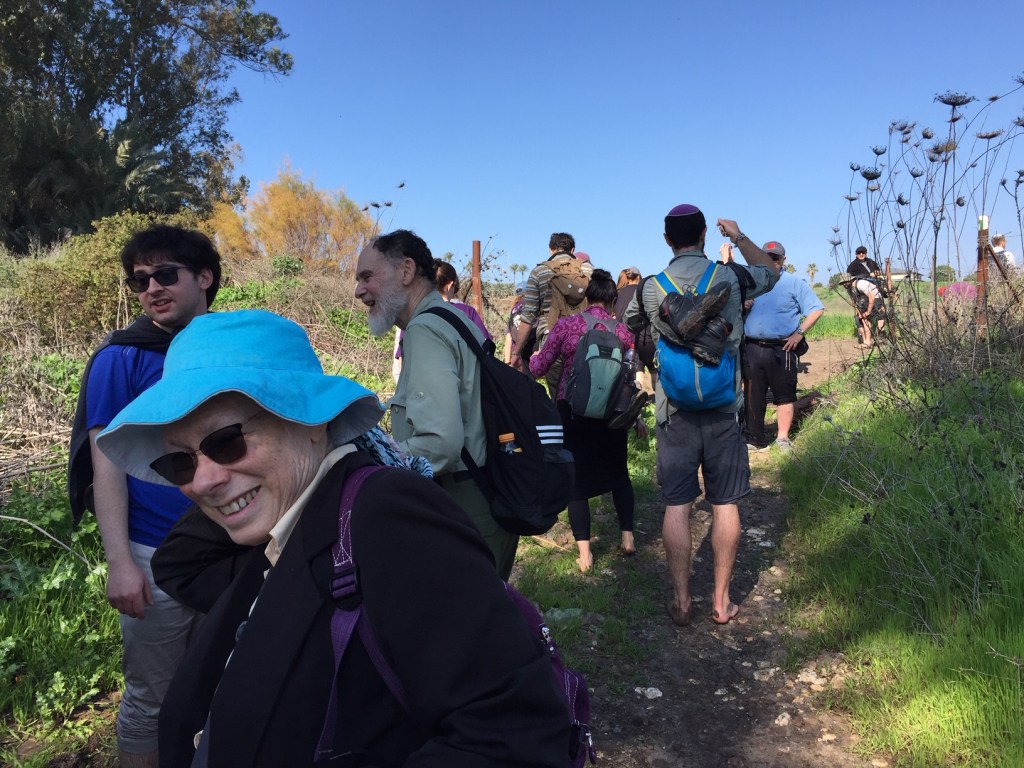
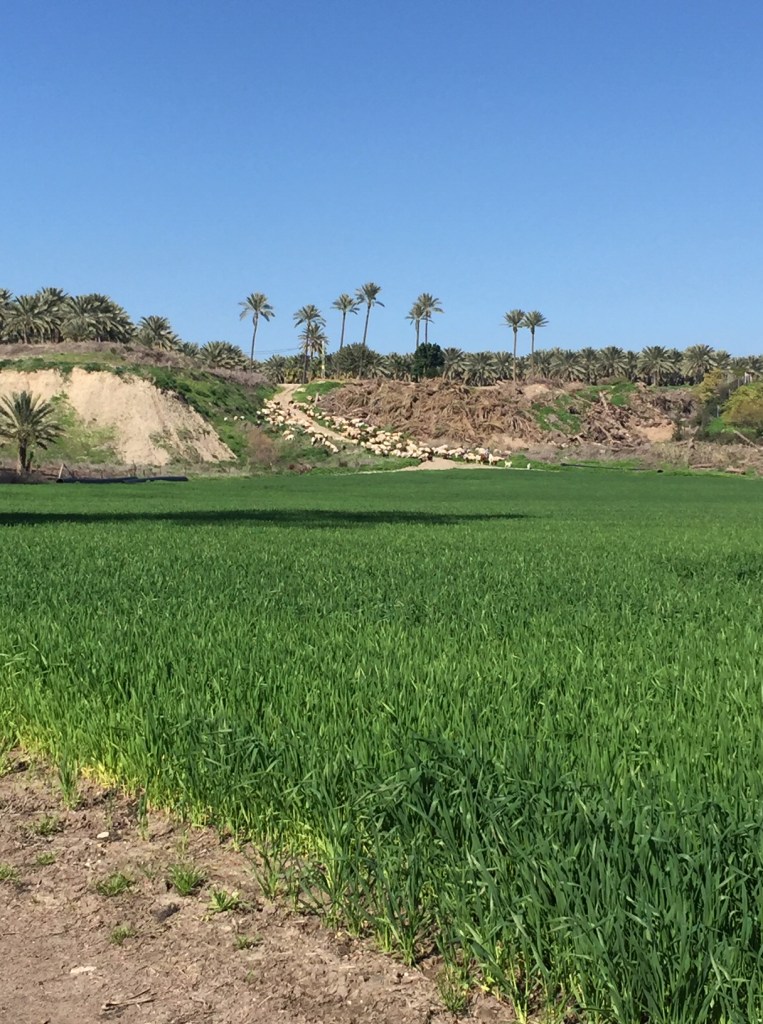
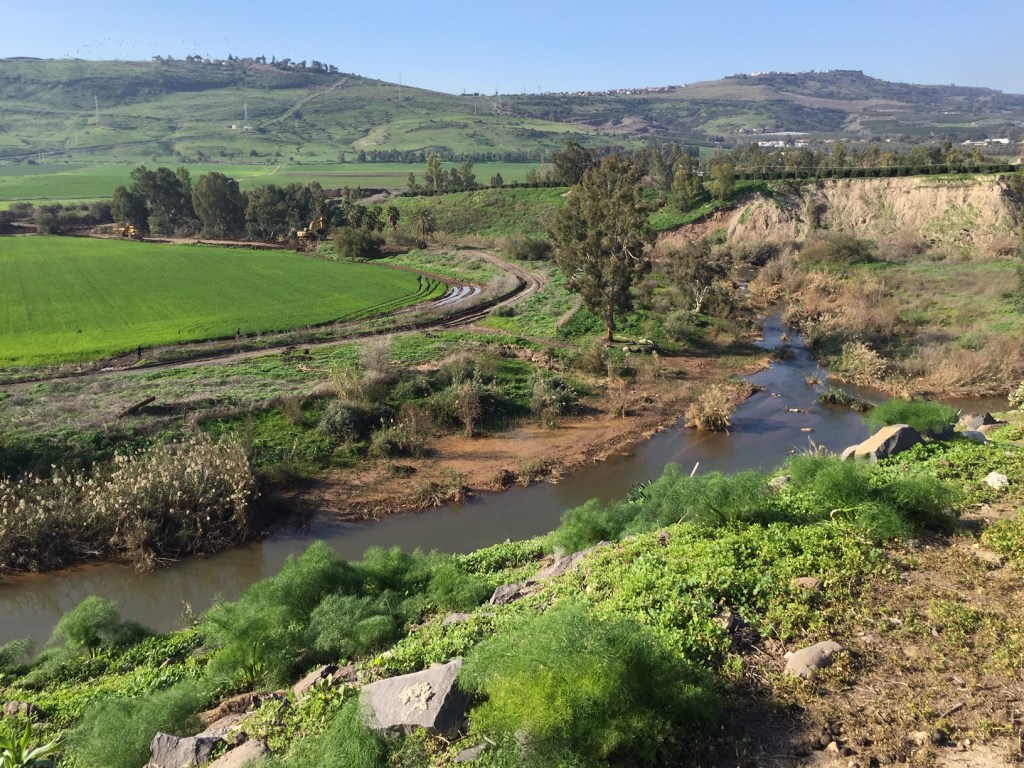
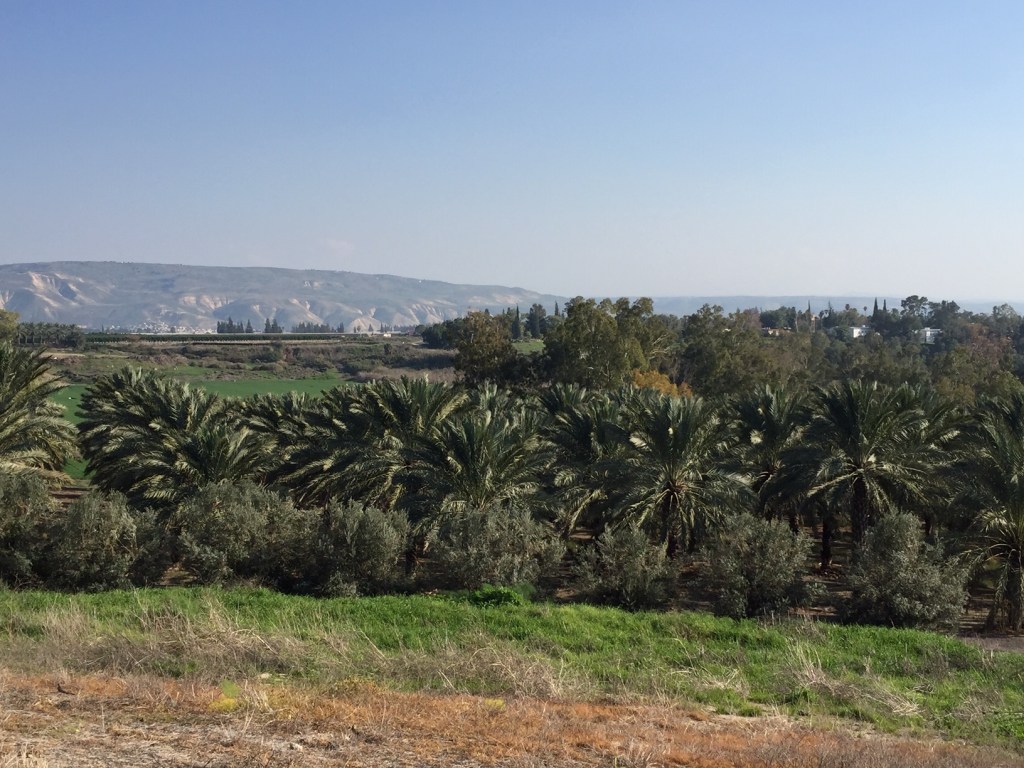
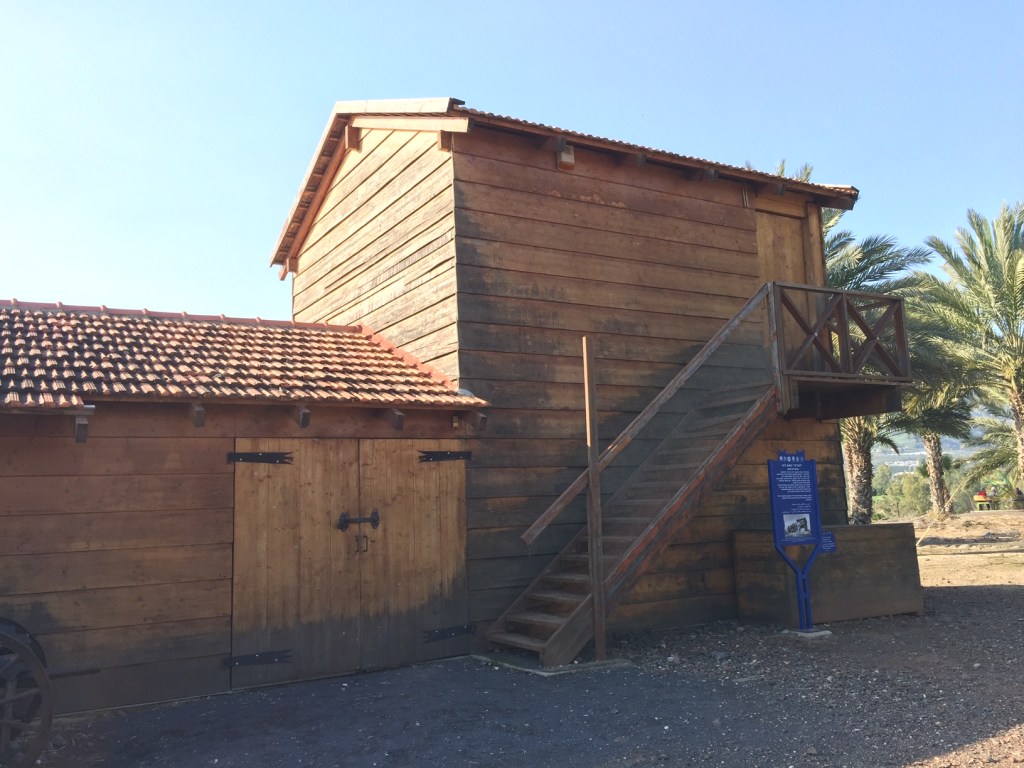
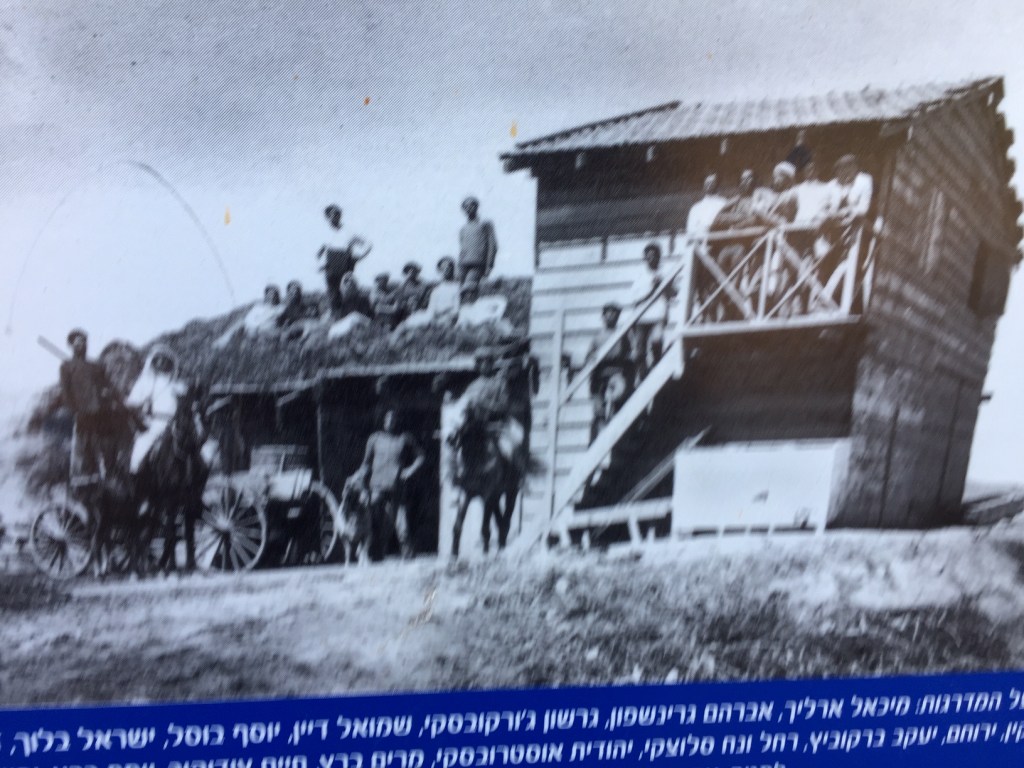
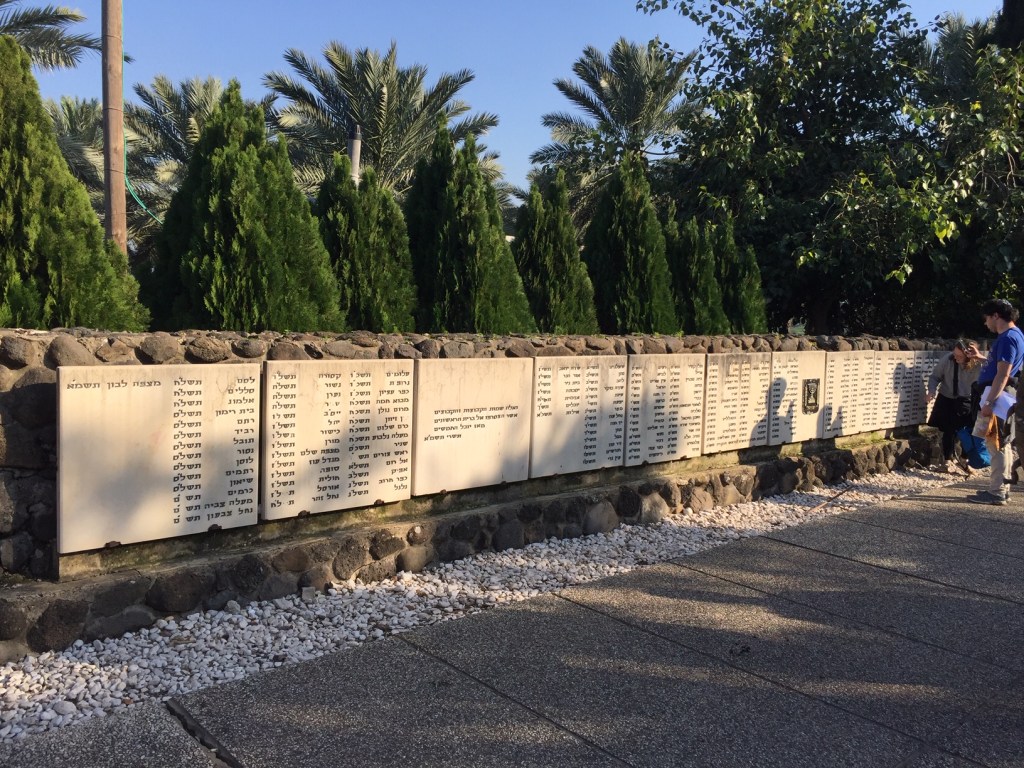
We ate our lunch in a pergola looking over the river, behind this building. Jamie recounted some of the history of the original kibbutz. You can read more about it here: http://degania.org.il/en/
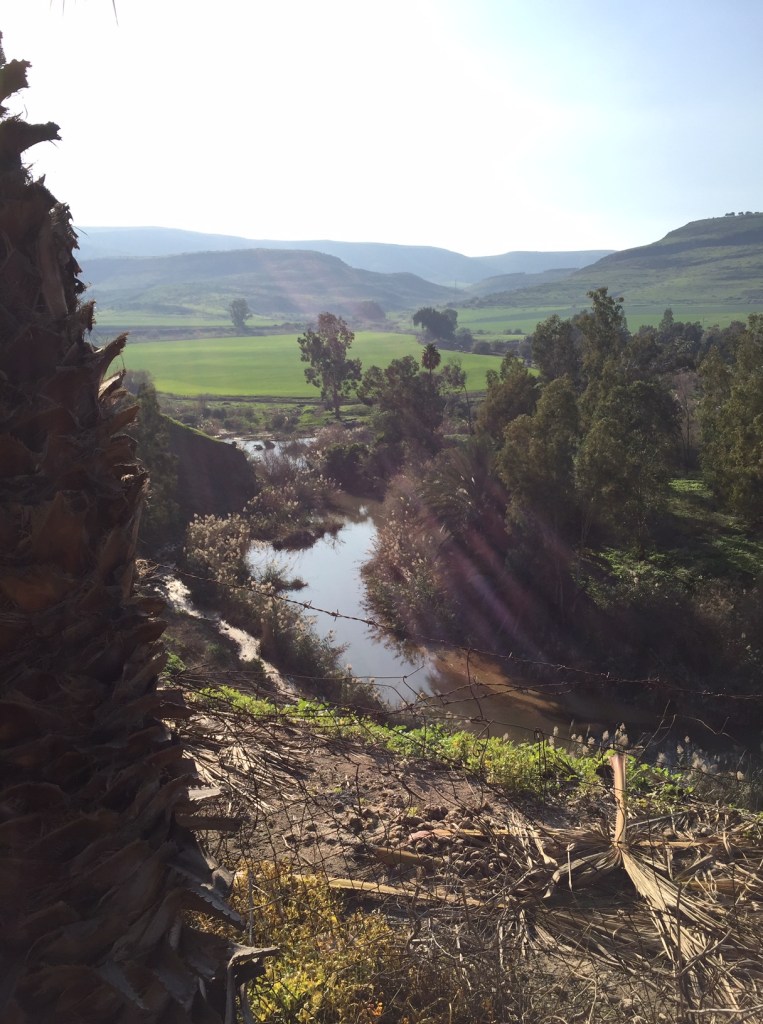
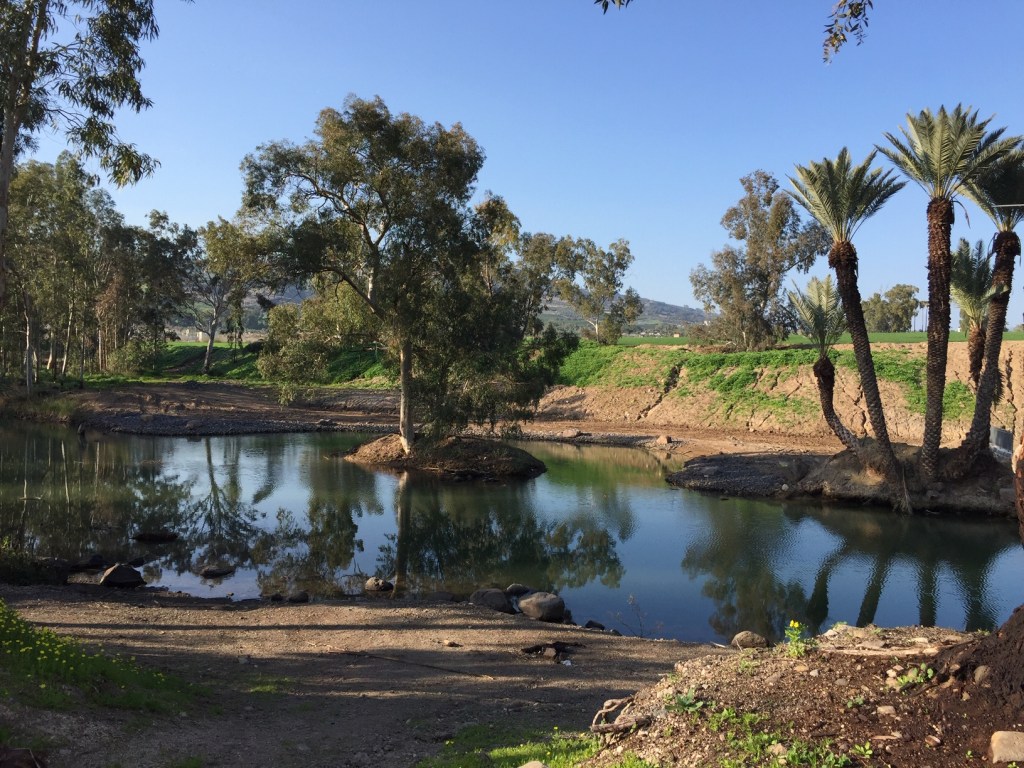
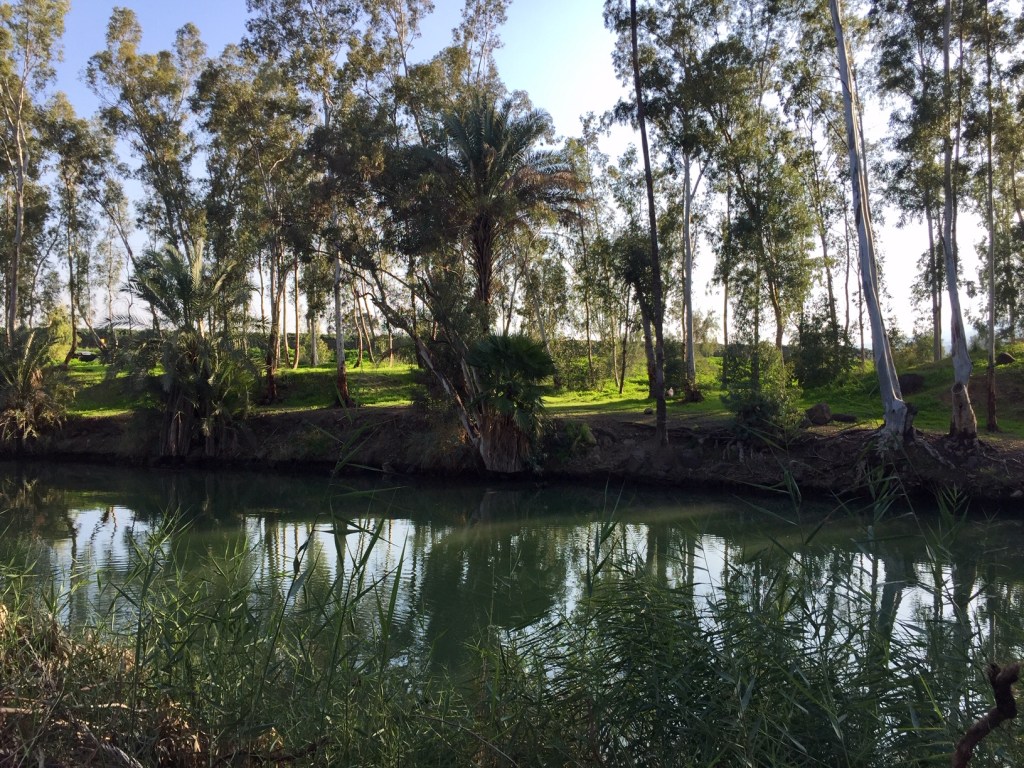
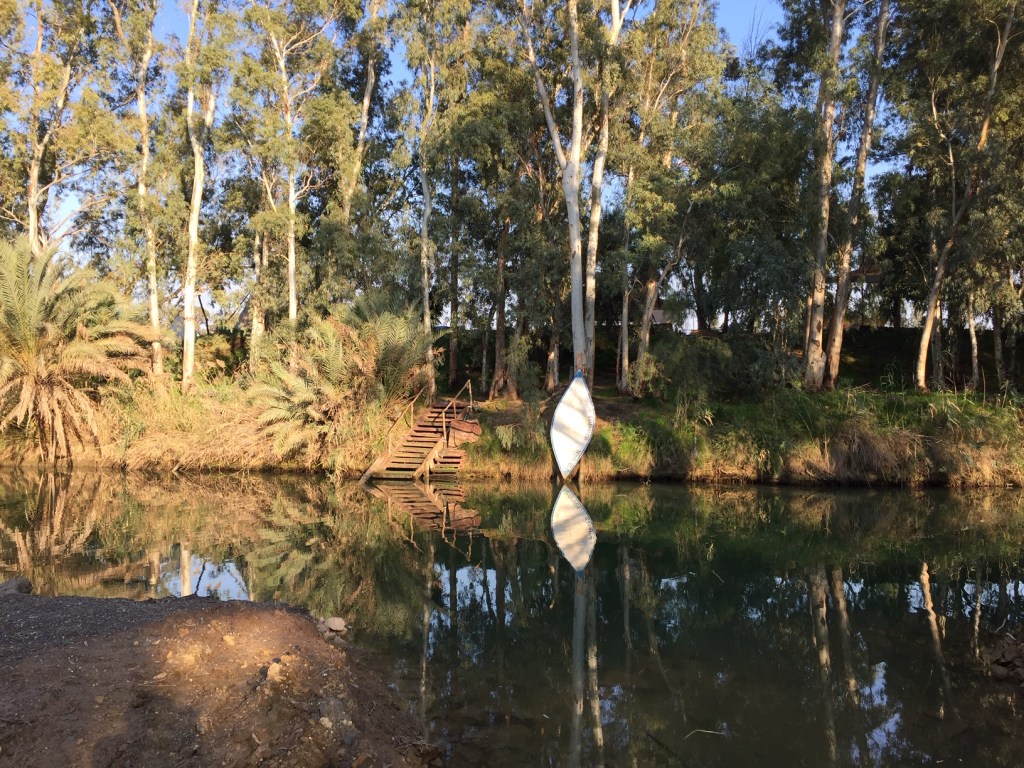
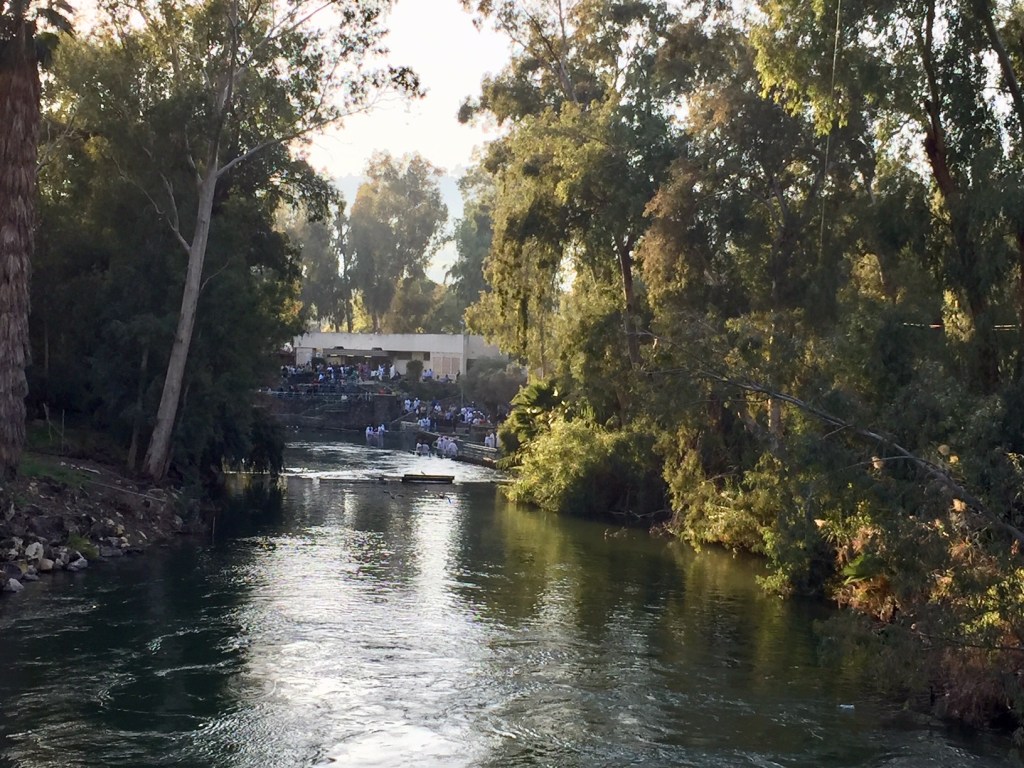
We passed by a camp ground and came out onto the main road. To our right through the fence we could see what seemed to be a sort of spa. This is a kibbutz that has found a way to make money giving Christians a place to do baptisms in the River Jordan. The photo above looks back from the main road bridge over the river. Those white figures you see are folks in terry cloth robes who have either just been or are about to be dunked in the river. I confess, I was enormously amused by the excitement of my fellow students at this “exotic” sight! I know the Christians think the Jews are strange and fascinating — who knew it goes the other way as well?!
On the other side of the bridge is a dam that holds back the waters of the Kinneret — the “Sea of Galilee”, a large freshwater lake on the River Jordan. Jamie explained to us that this would almost certainly be the the year that the flood gates are opened and the waters are allowed to go downstream, much to the excitement of the kayaking community. They were expecting this to happen any day, but when in fact it did happen, on April 23, there were no kayakers and no one to see the release of the water, due to COVID-19. It remains exciting, as the Kinneret has not been full enough to let water out since 1993. With its many desalinization plants, Israel no longer worries as it once did about running out of water. Nonetheless, a full Kinneret is good news to Israel’s water supply and its agriculture.
Next to the river stands a cemetery where many notable figures from Israeli history are buried.
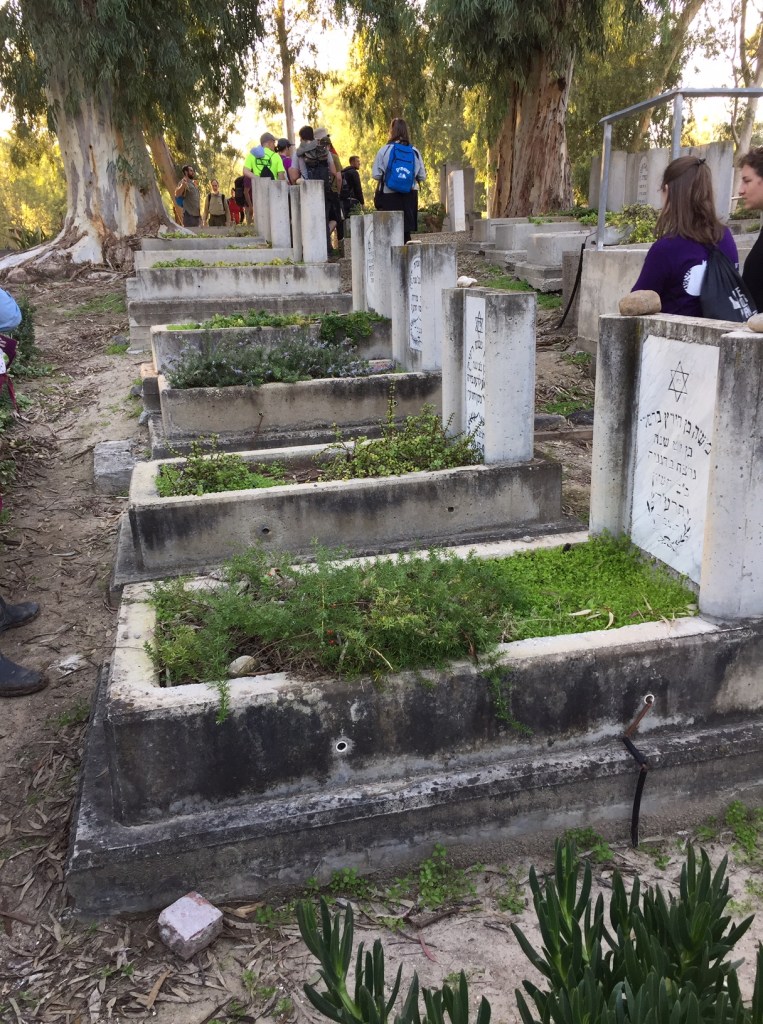
I had never seen this style of grave before, with a flower-planting bed atop the grave.
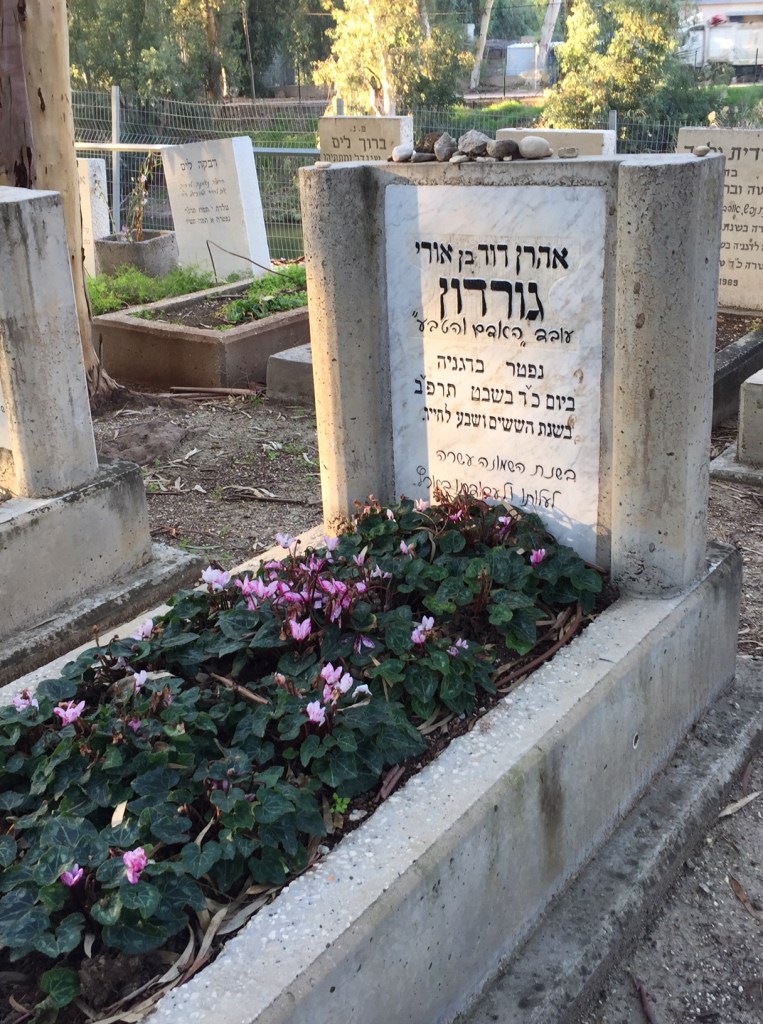
This is the grave of A.D. Gordon, (9 June 1856 – 22 February 1922). Wikpedia describes him much as our guide did, as “the spiritual force behind practical Zionism and Labor Zionism. He founded Hapoel Hatzair, a movement that set the tone for the Zionist movement for many years to come. Influenced by Leo Tolstoy and others, it is said that in effect he made a religion of labor.” Gordon “made aliyah to Ottoman Palestine in 1904, when he was 48, after being persuaded by his wife not to emigrate to America. His daughter Yael followed him in 1908 and his wife about a year later, but his son stayed behind to continue his religious studies… Four months after she arrived in the country, his wife became ill and died. Gordon lived in Petah Tikva and Rishon LeZion, moved to the Galilee in 1912, traveled the country taking manual jobs and engaging the youth, until finally settling in Kibbutz Degania n in 1919. He lived simply and supported himself as a hired agricultural hand, while writing his emerging philosophy at night. Gordon believed that all of Jewish suffering could be traced to the parasitic state of Jews in the Diaspora, who were unable to participate in creative labor. To remedy this, he sought to promote physical labor and agriculture as a means of uplifting Jews spiritually. […]he also believed that working the land was a sacred task, not only for the individual but for the entire Jewish people. Agriculture would unite the people with the land and justify its continued existence there. In his own words: “The Land of Israel is acquired through labor, not through fire and not through blood.””
Ever the visionary, he wrote, “As we now come to re-establish our path among the ways of living nations of the earth, we must make sure that we find the right path. We must create a new people, a human people whose attitude toward other peoples is informed with the sense of human brotherhood and whose attitude toward nature and all within it is inspired by noble urges of life-loving creativity. All the forces of our history, all the pain that has accumulated in our national soul, seem to impel us in that direction… we are engaged in a creative endeavor the like of which is itself not to be found in the whole history of mankind: the rebirth and rehabilitation of a people that has been uprooted and scattered to the winds…”
Like many of the early returnees to Eretz Yisrael, A. D. Gordon’s idealism included a belief that despite the hostilities that existed between Jews and Arabs, there could and should be peaceful settlement together. He wrote, “Our relations to the Arabs must rest on cosmic foundations. Our attitude toward them must be one of humanity, of moral courage which remains on the highest plane, even if the behavior of the other side is not all that is desired. Indeed their hostility is all the more a reason for our humanity.”
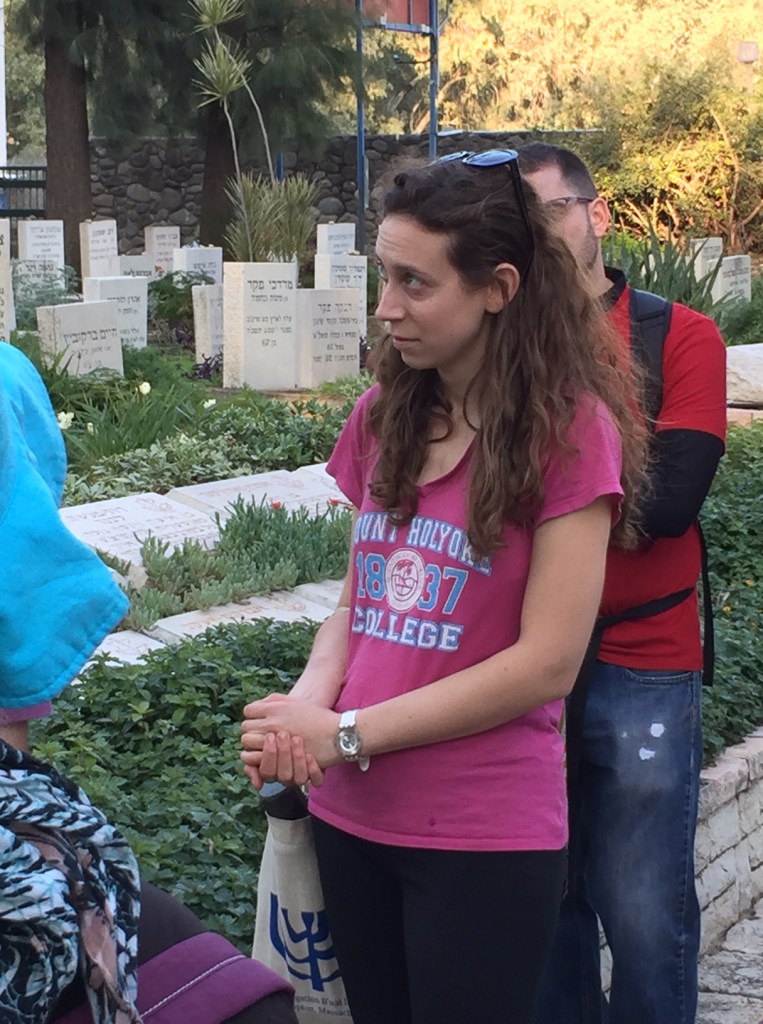
From the cemetery we walked on, close to the shores of the Kinneret, to the site where Kibbutz Degania Aleph moved after their first outpost was not successful.
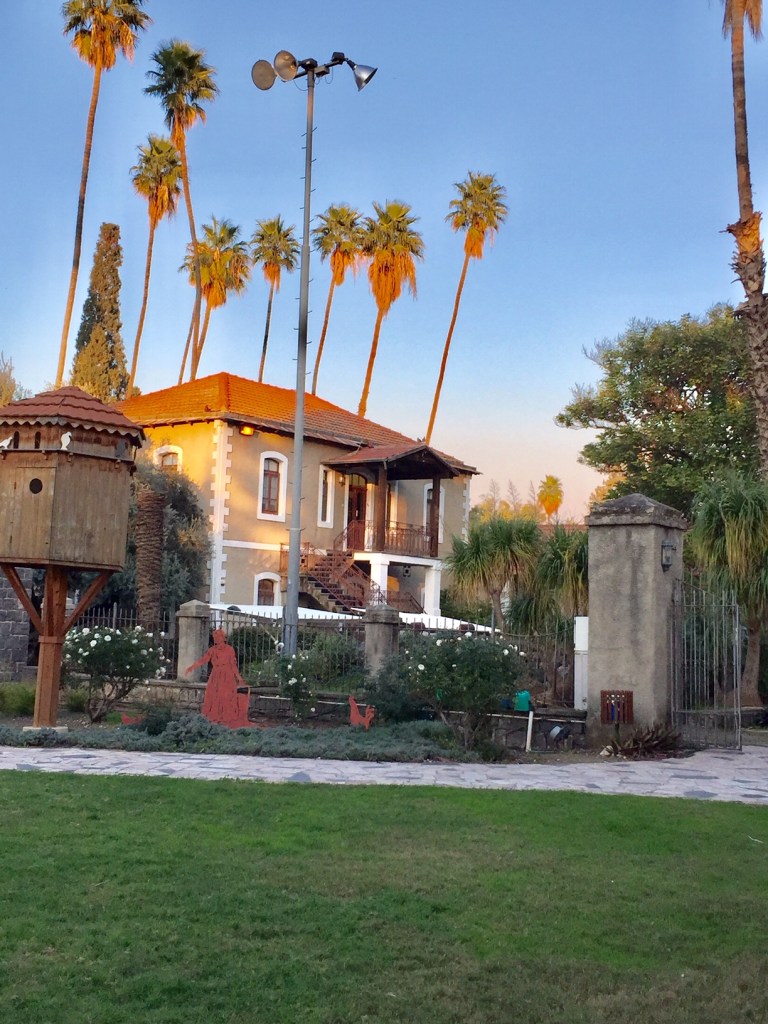
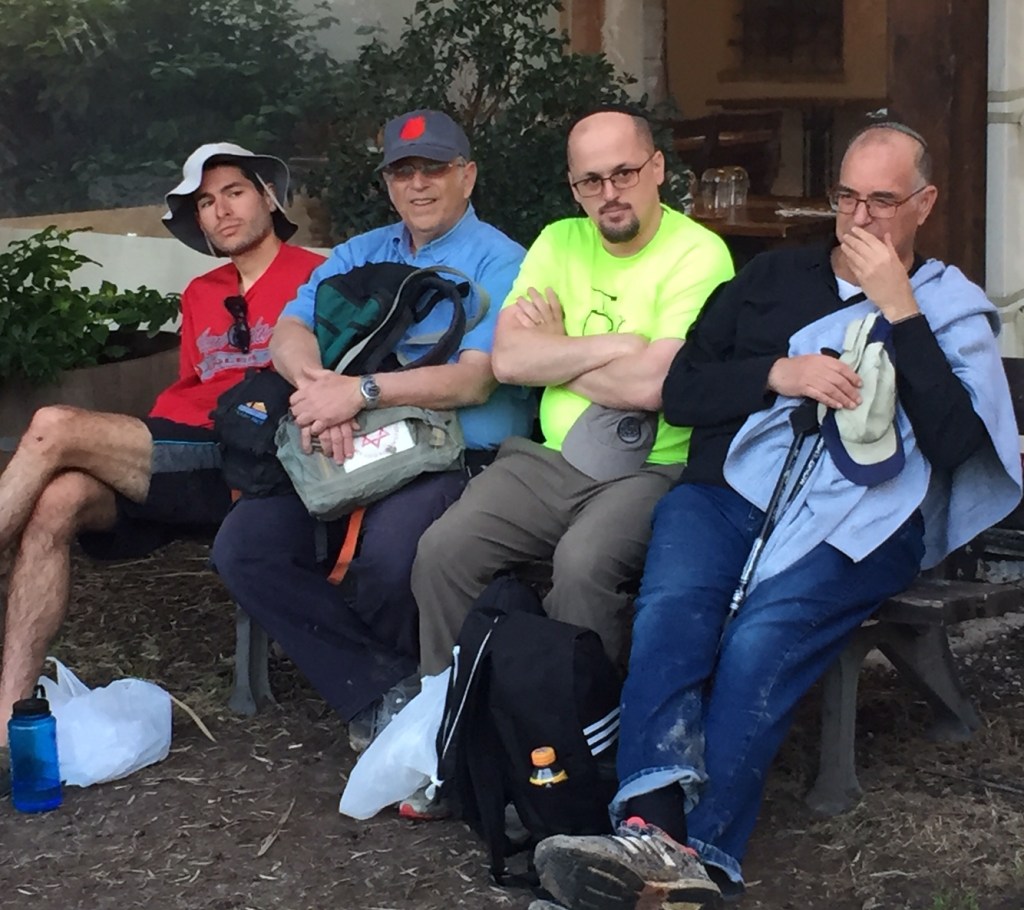
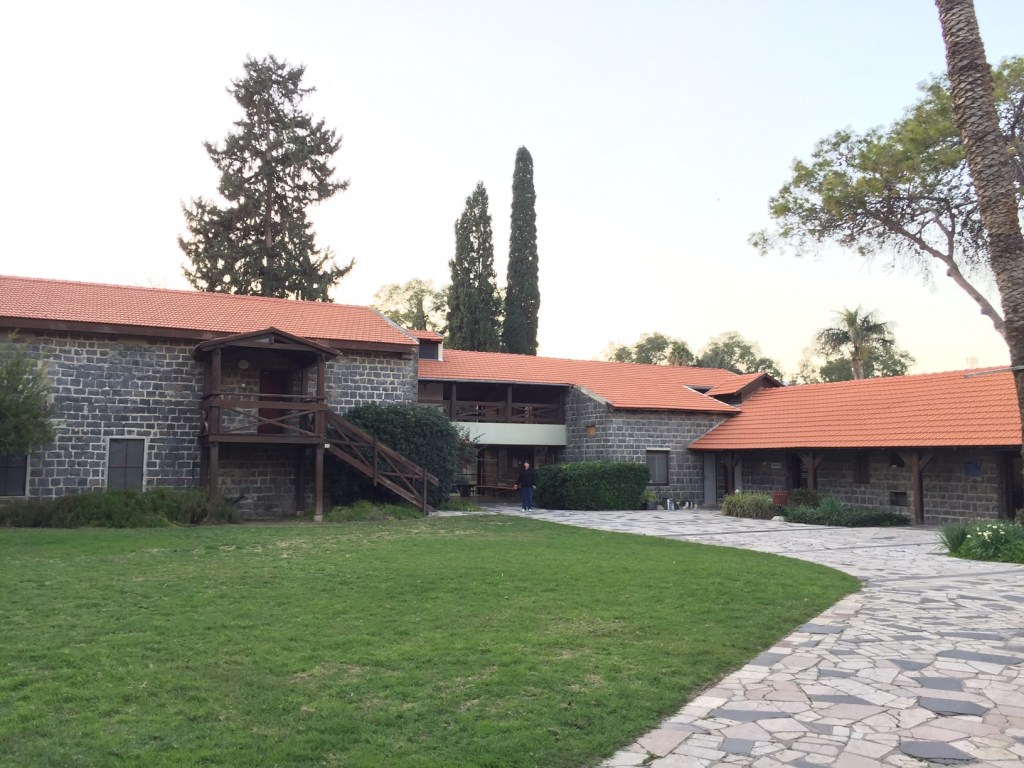
From here we weary travelers re-boarded the bus and drove a short distance to another nearby kibbutz, Ashdot Yaakov, where we settled into our rooms for the night. Neither the food nor the lodging was outstanding, but we were tired and glad to rest and eat. Some of us gathered in the uninviting social hall for games, but soon most of us wandered off to bed. I’ll tell about the second day of the of the trip in my next post — soon, I hope!
 Nine months in Israel