The flood of new information and experiences that I have been soaking in have made me dawdle and delay about my blog posts. How am I ever to convey all that I am learning? We’ve had a number if interesting speakers at Pardes, we have gone a couple of tiyyulim, we heard a panel speak on a complex topic. Meanwhile, I’ve also been leading my daily life, which includes visits with family, hanging out with friends, and going to services, as well as attending classes and the basics of keeping house. And, to be honest, I’ve been spending far too much time on Facebook mourning the loss of my alma mater, Marlboro College.
The “Rabbinic Seminar” (actually a tiyyul with some study along the way) perhaps lends itself to a simple photo essay — heavy on the photos, light on the essay! So here we go…
In early November a group from Pardes, including most of our teachers, set off on a two day trip to retrace some of the footsteps of the Talmudic rabbis in the years following the fall of the Second Temple. The first place the Great Sanhedrin moved to was Yavneh, in 70 CE. (You can read about the Sanhedrin here: https://en.wikipedia.org/wiki/Sanhedrin) The story goes that Rabbi Yochanan ben Zaccai was sneaked out of Jerusalem in a coffin during the siege by the Romans. He asked the Romans for permission to establish a center of Jewish study at Yavneh. His request was granted. In Jewish memory, he stands for the position that there is life in diaspora, there is connection with God outside of the Temple, and there is continuance of Judaism even when a seismic change occurs.
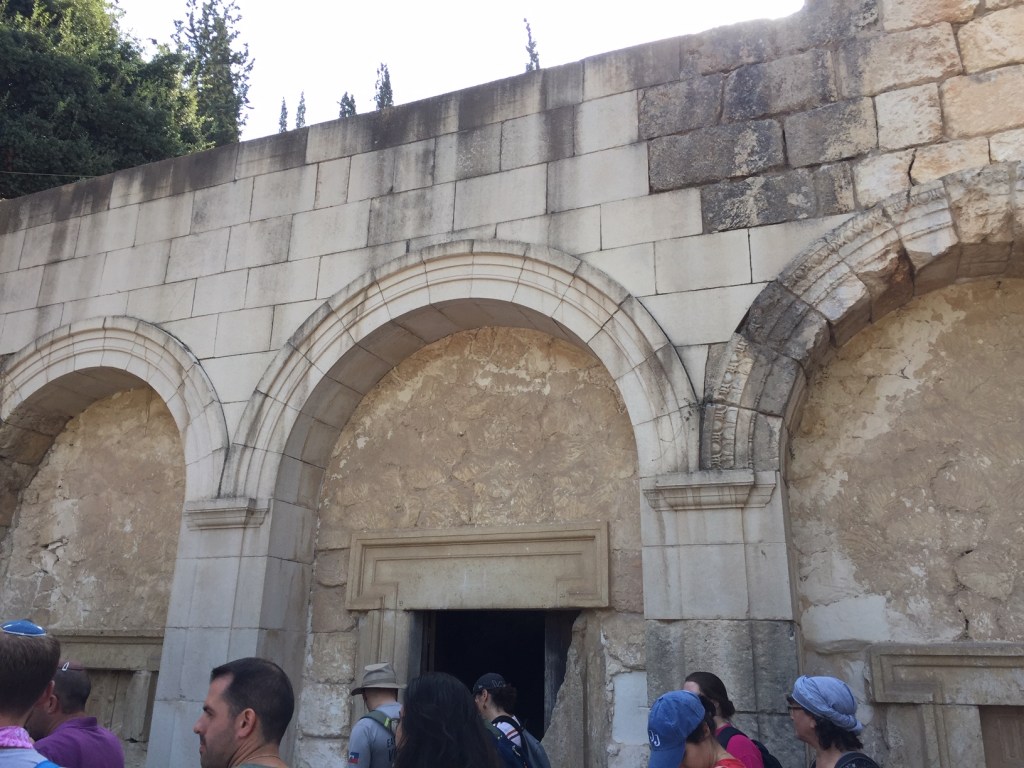
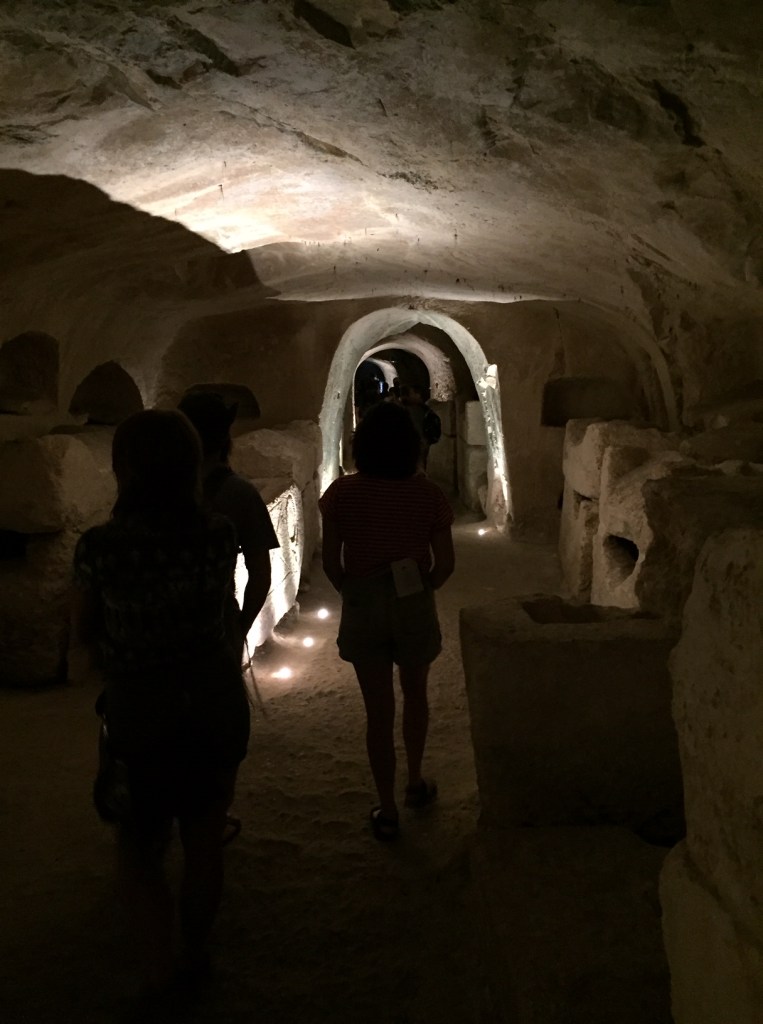
We, however, skipped Yavneh and went straight up to the Galil, to Beit Shearim, which was the fourth location of the Sanhedrin. In 180 CE Rabbi Yehuda haNasi reportedly moved the Sanhedrin to Beit Shearim and compiled/edited the Mishna. There is a major archeological site at Beit Shearim. The part that has been excavated and is open to the public is a series of caves with sarcophagi, including the probable grave of Rabbi Yehuda HaNasi himself.
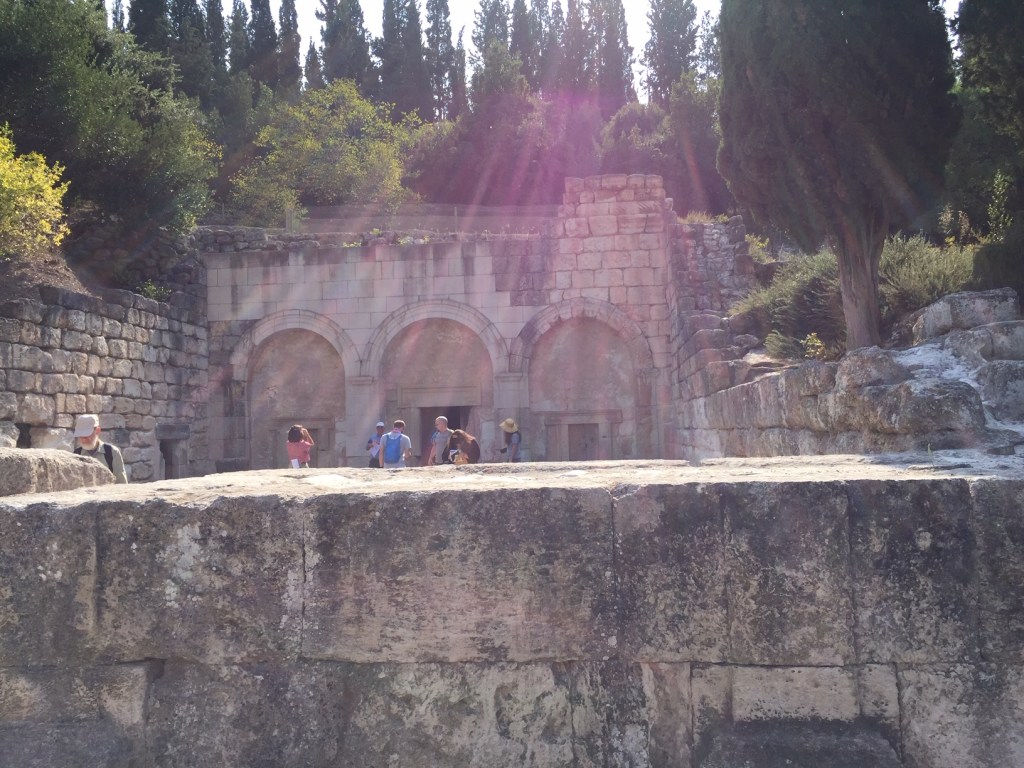
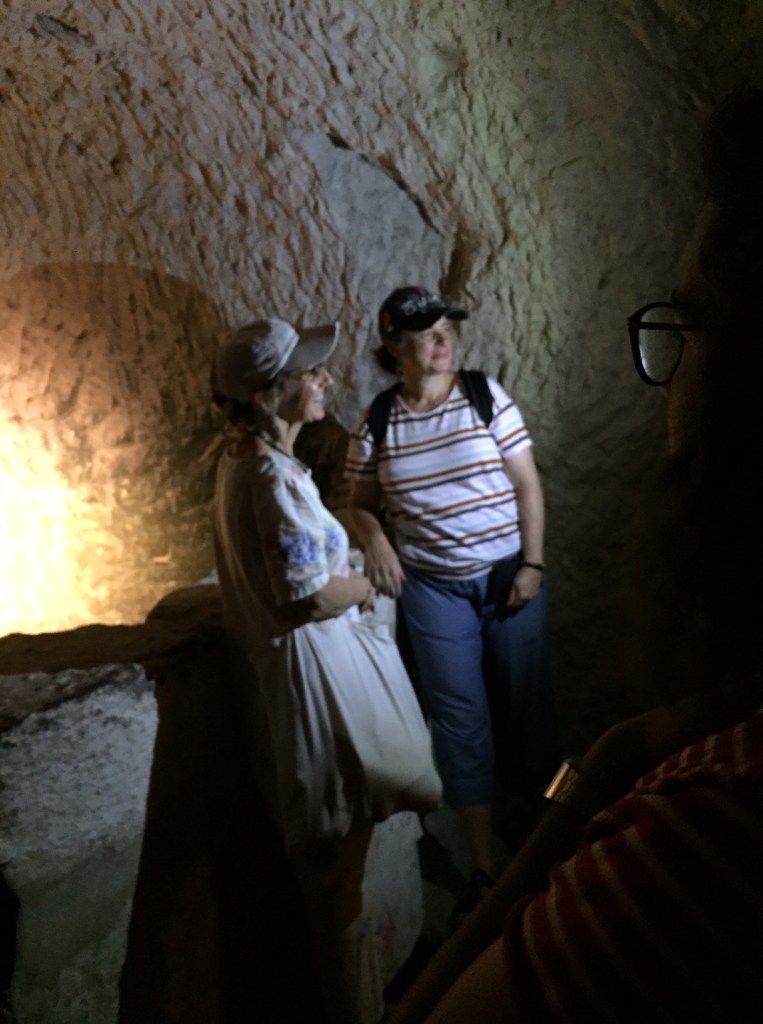
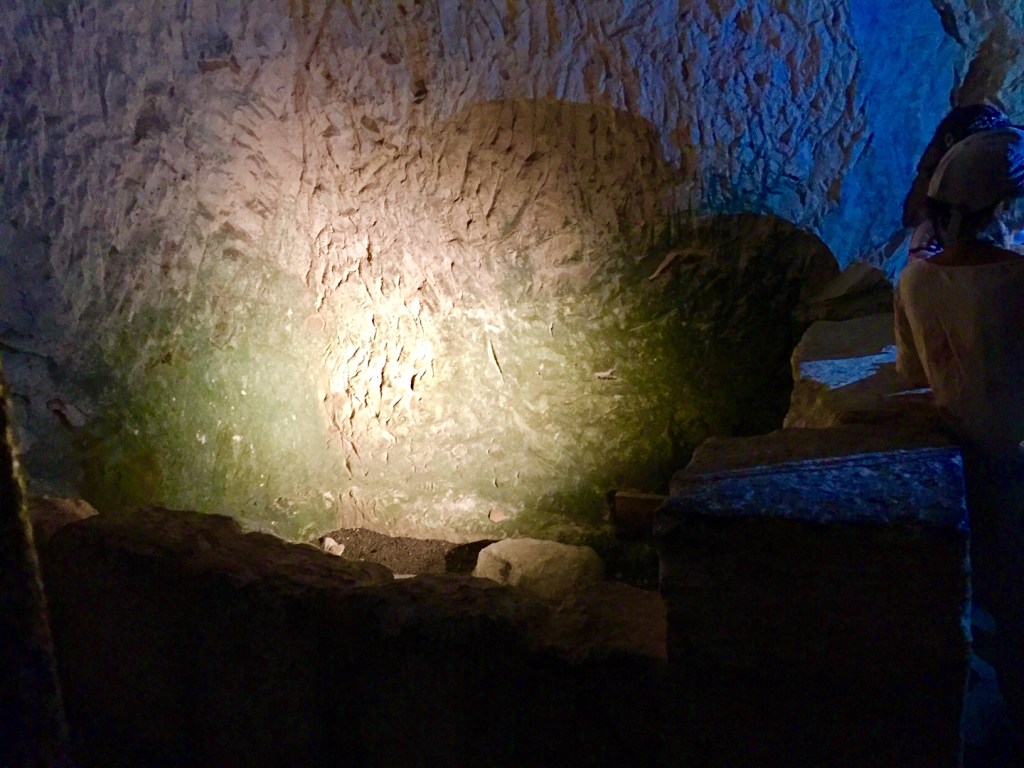
While a considerable number of caves have been excavated, apparently the whole hillside houses a huge Jewish cemetery, which is yet to be dug up. From the part that is open to the public, here are a few more photos — it’s a fascinating place!
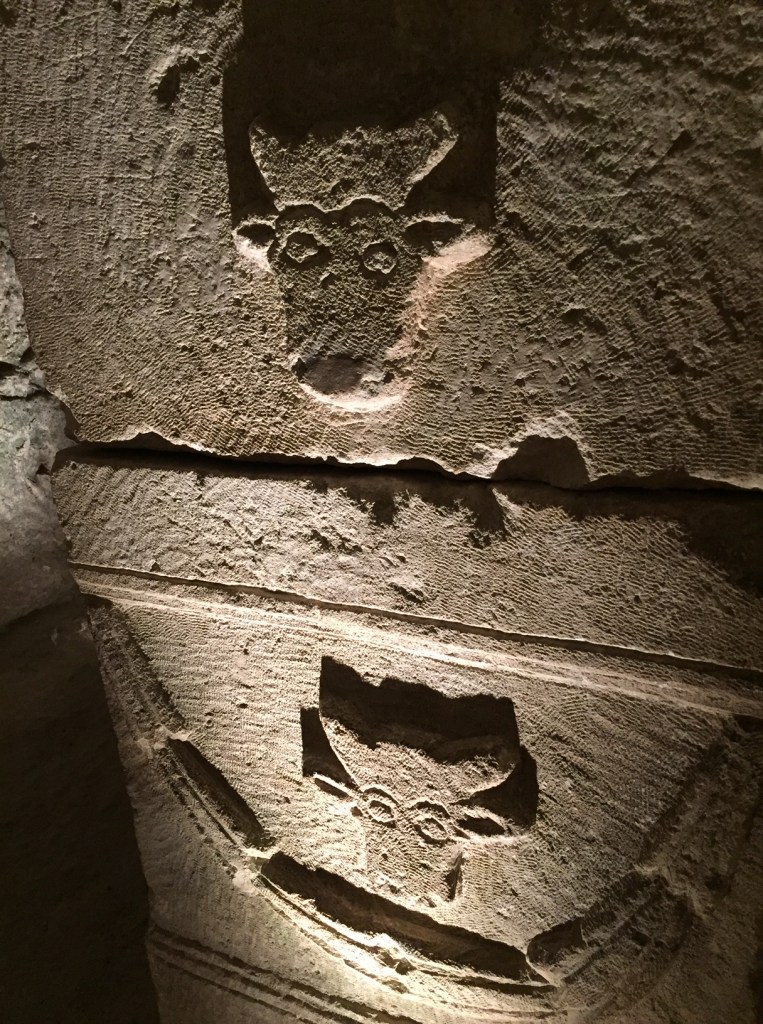
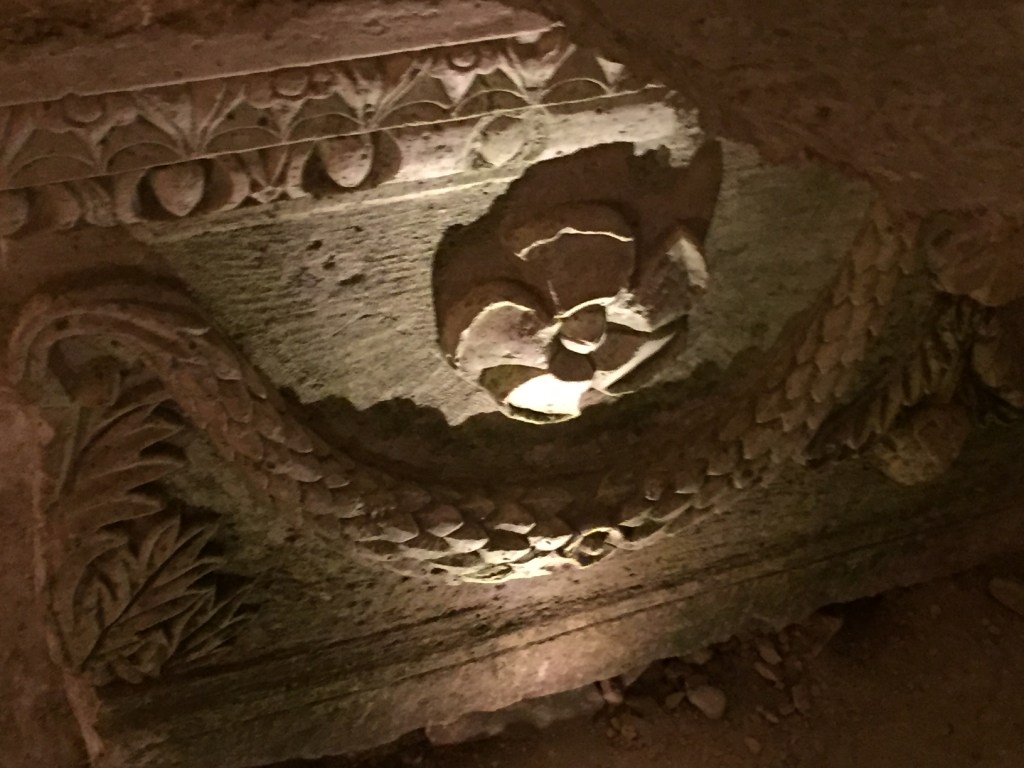
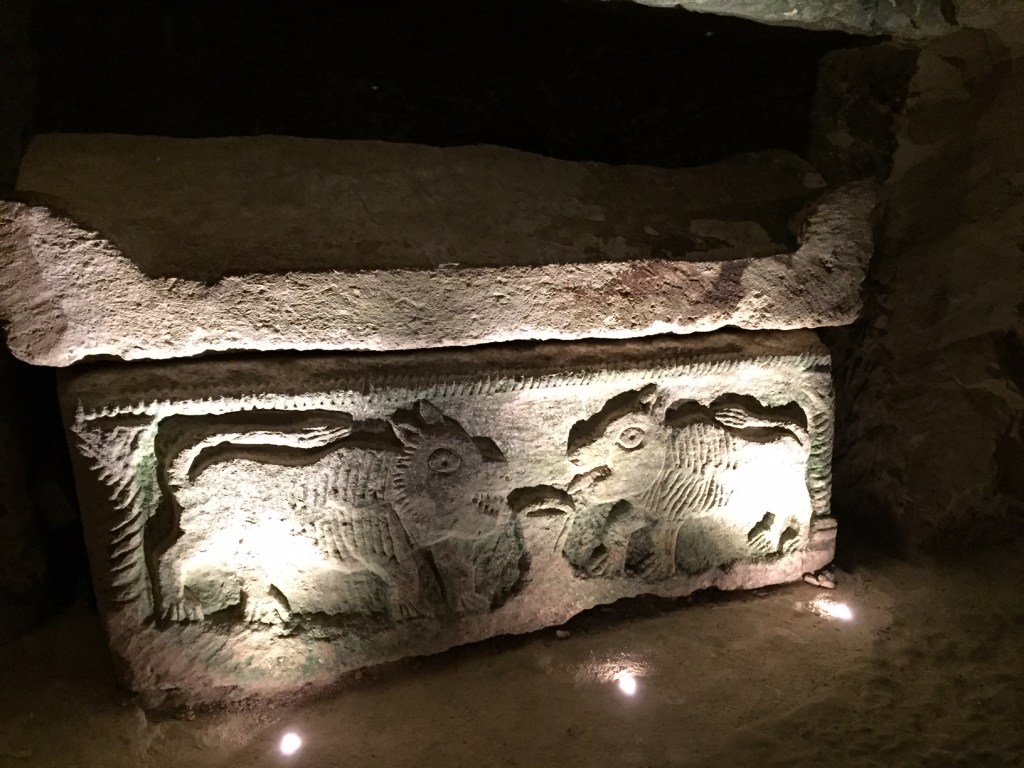
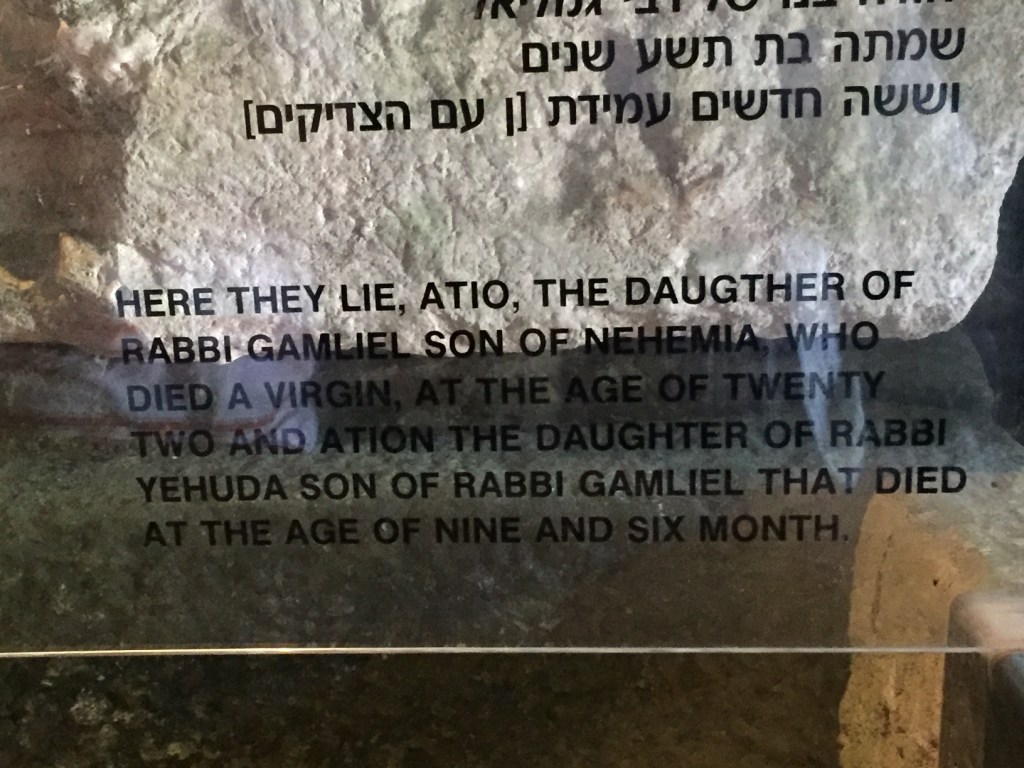
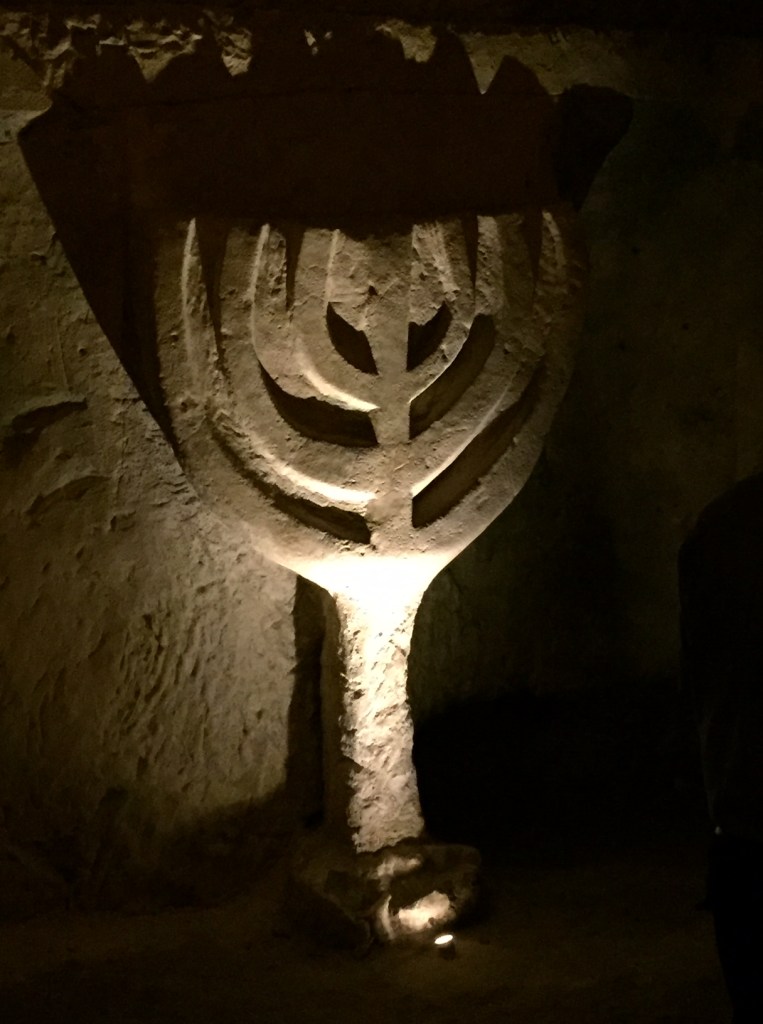
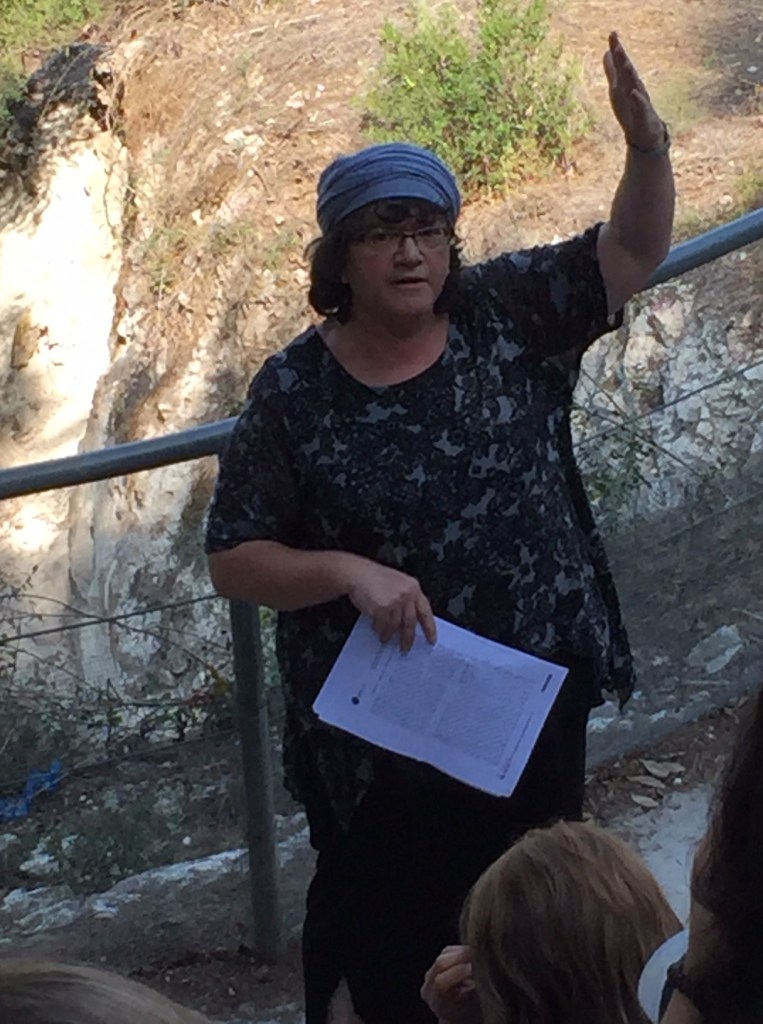
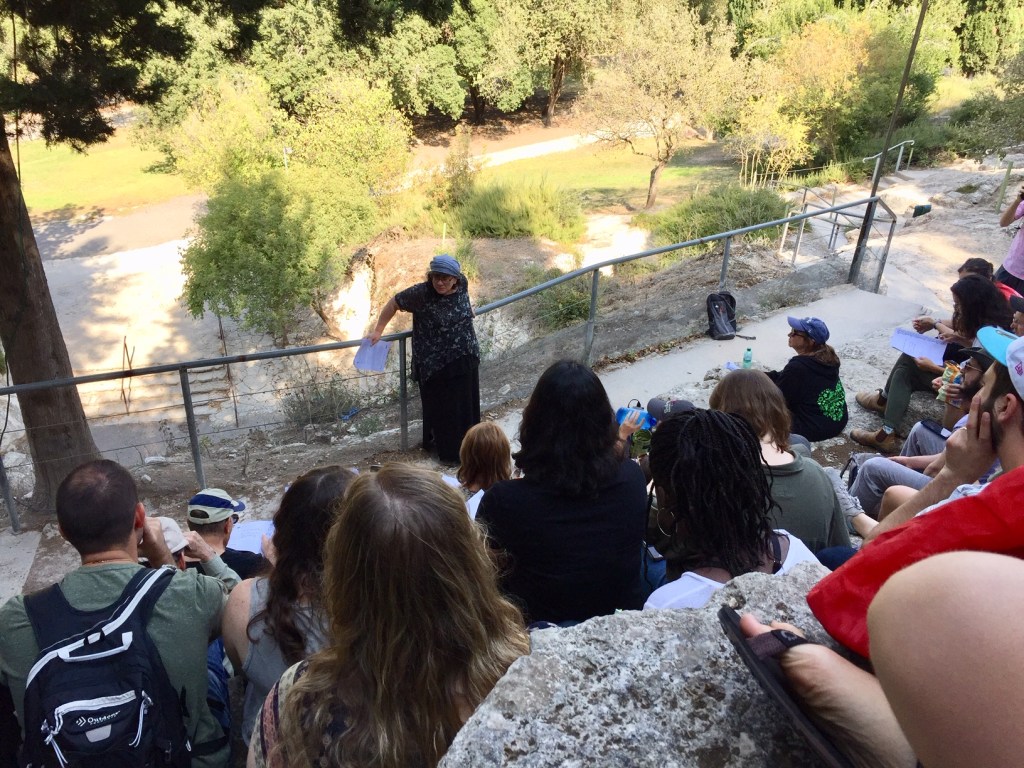
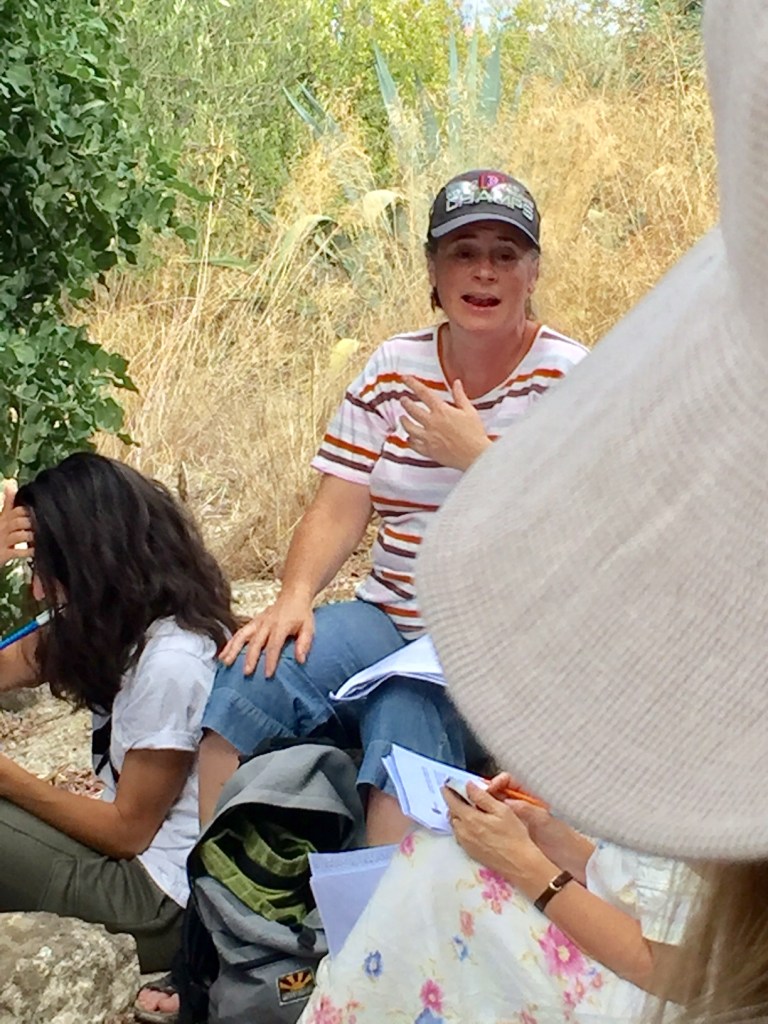
Once outside the caves, we clambered up a hillside and sat to listen to Leah give a teaching on some texts from the Talmud about Rabbi Yehuda HaNasi.
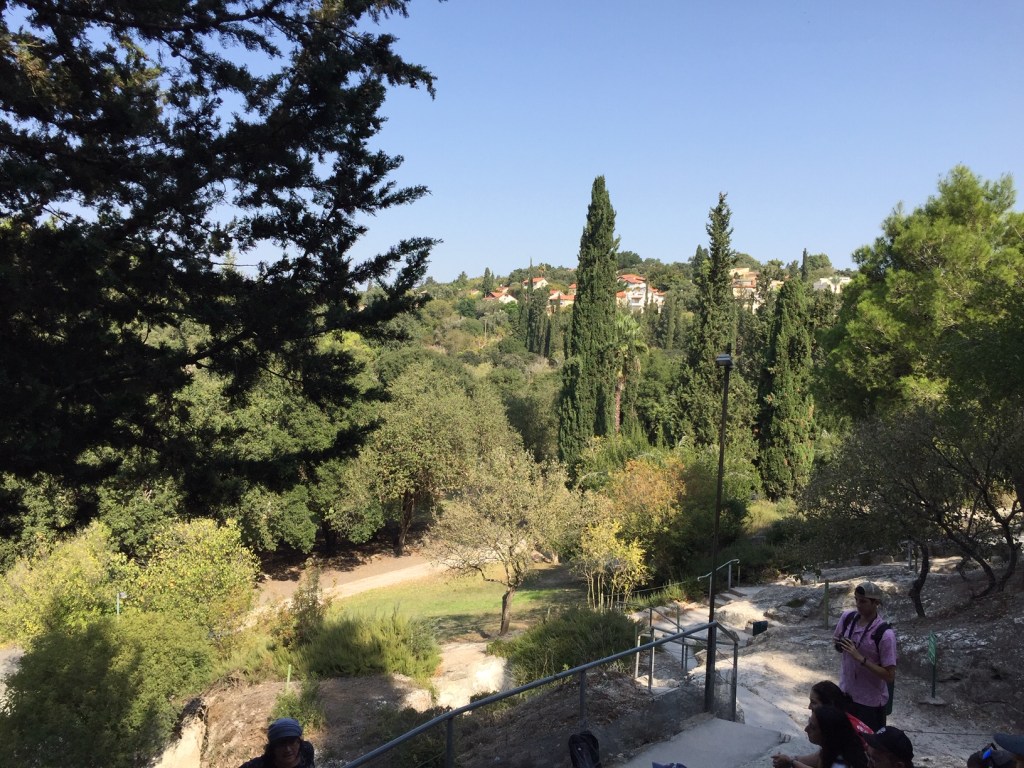
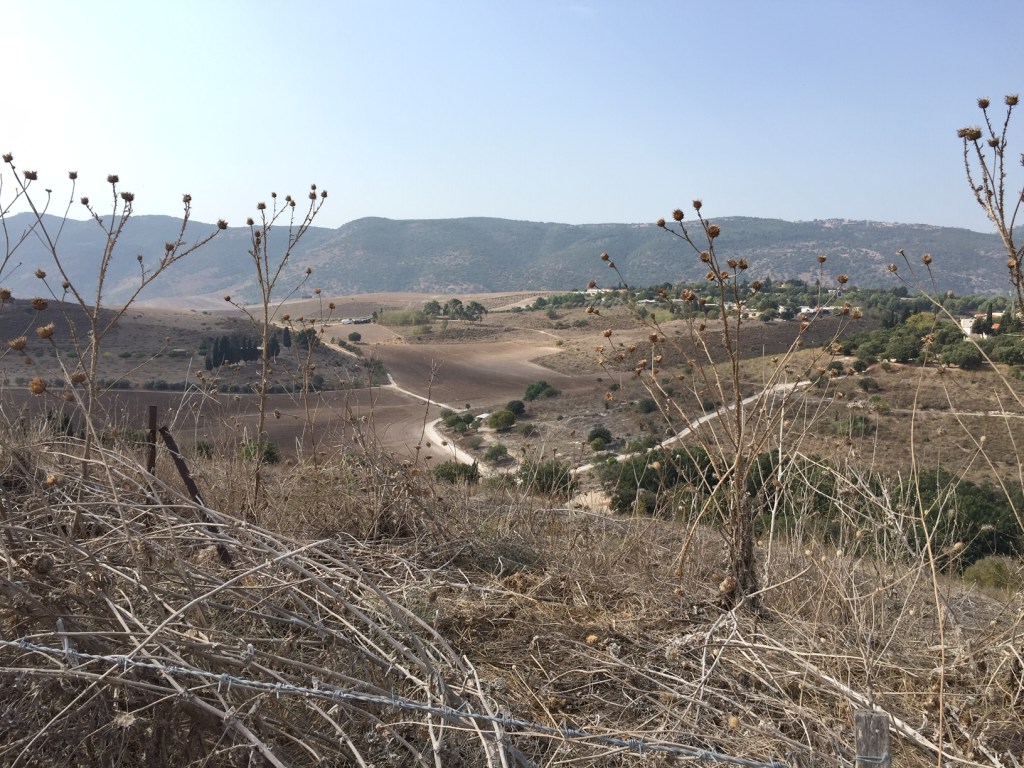
At the top of the hill above the archeological site there’s a great view:
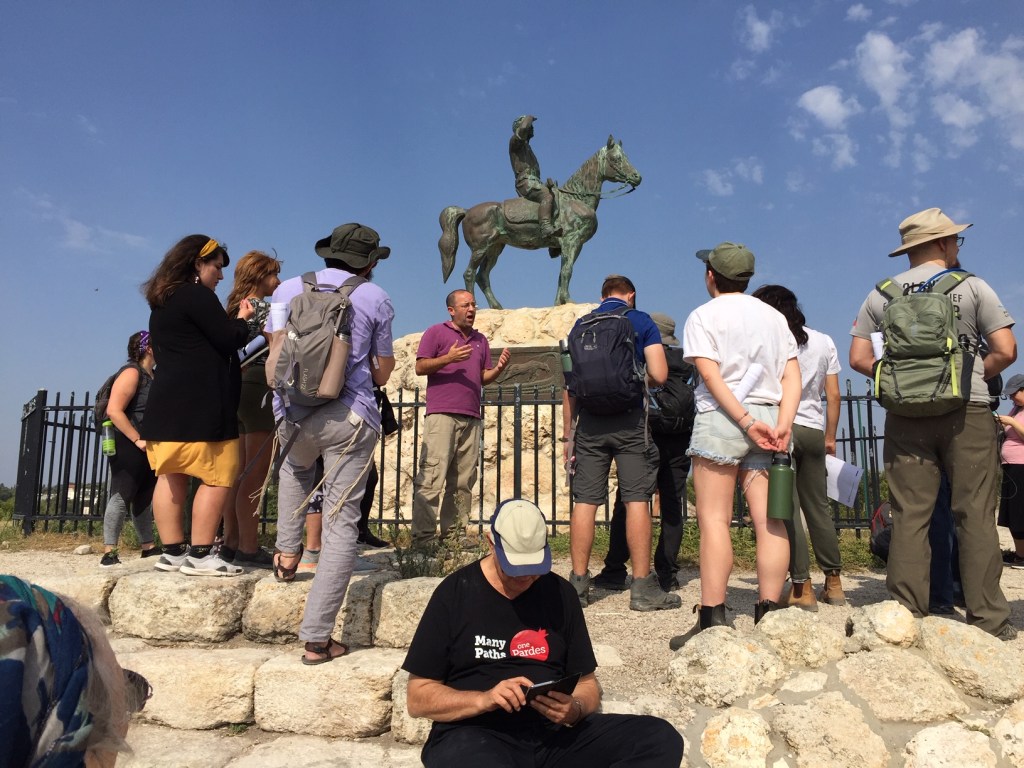
There’s also a monument to early Zionist Alexander Zaid. He was, among other things, one of the founders of HaShomer, an early Jewish defense group. He was a farmer in the Galil. You can read more here: https://en.wikipedia.org/wiki/Alexander_Za%C3%AFd
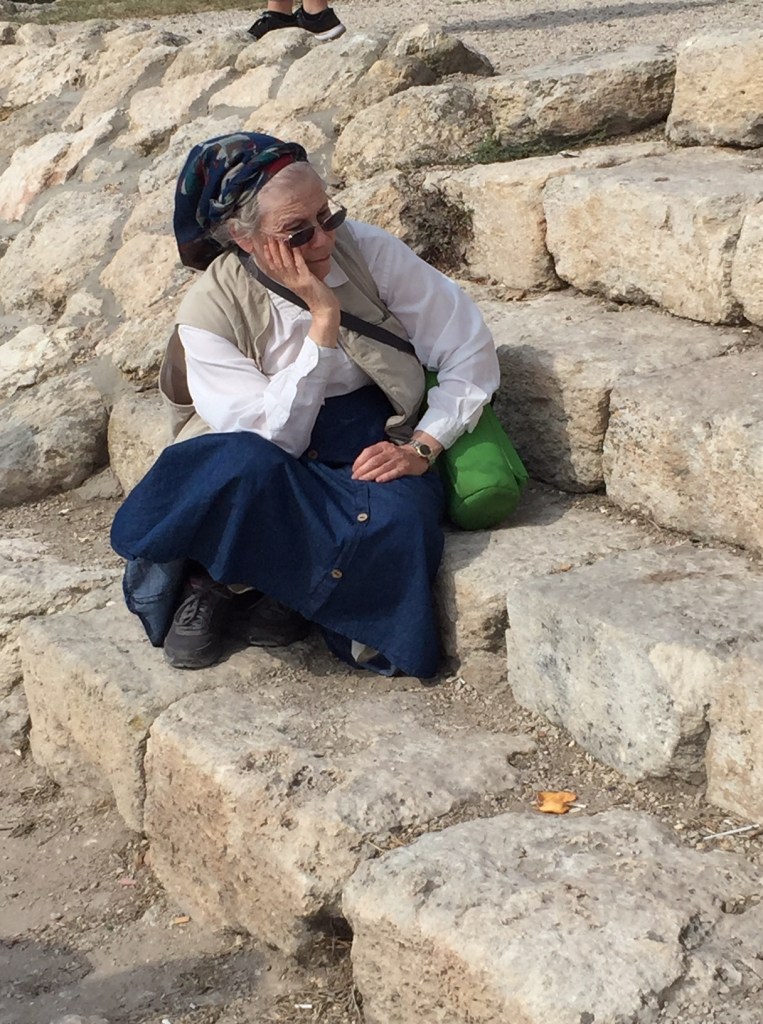
Then we walked over to a ruined basilica (ancient meeting hall — this word is from Roman times, and while it used now for a church, it was not a religious structure originally). We sat amid the ruins and Rahel taught us about the Sanhedrin and its movements.
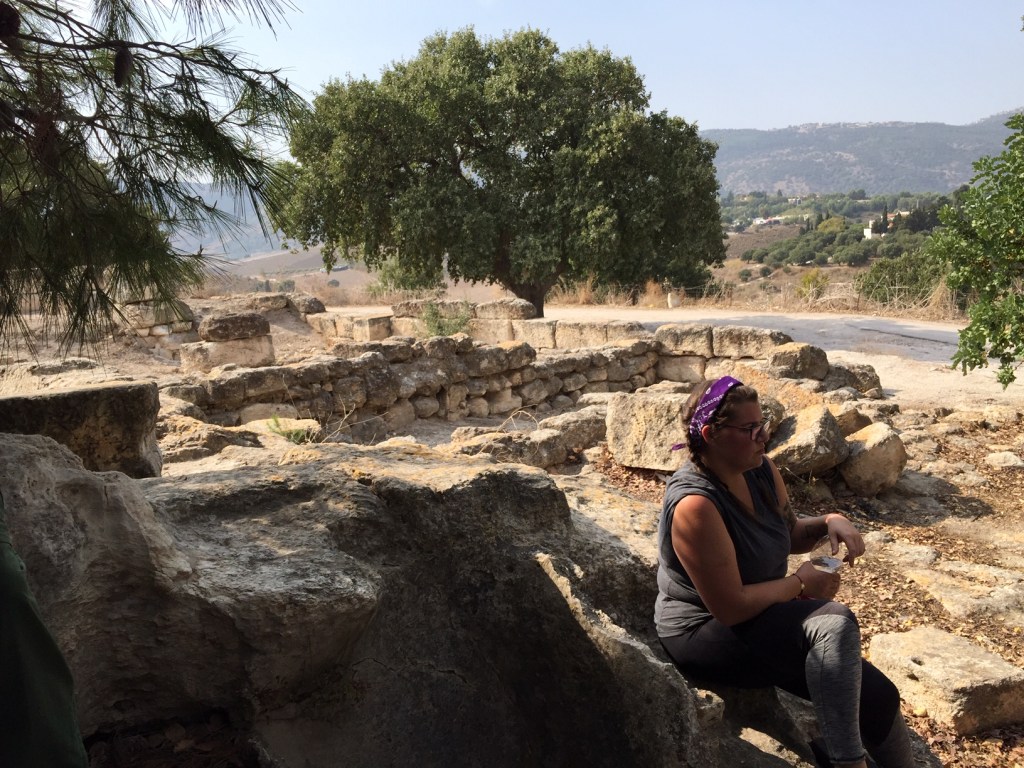
After our study session, we walked down the hill and had lunch at the picnic tables under the trees. Some stray cats attempted to join us (I don’t think there is a location in Israel without stray cats). Then we re-boarded the bus and set off for Usha. Usha is not a modern town — it is an archeological site where there once was a town in rabbinic times. It is the second place where the Sanhedrin alighted (after Yavneh). Today it looks like this:
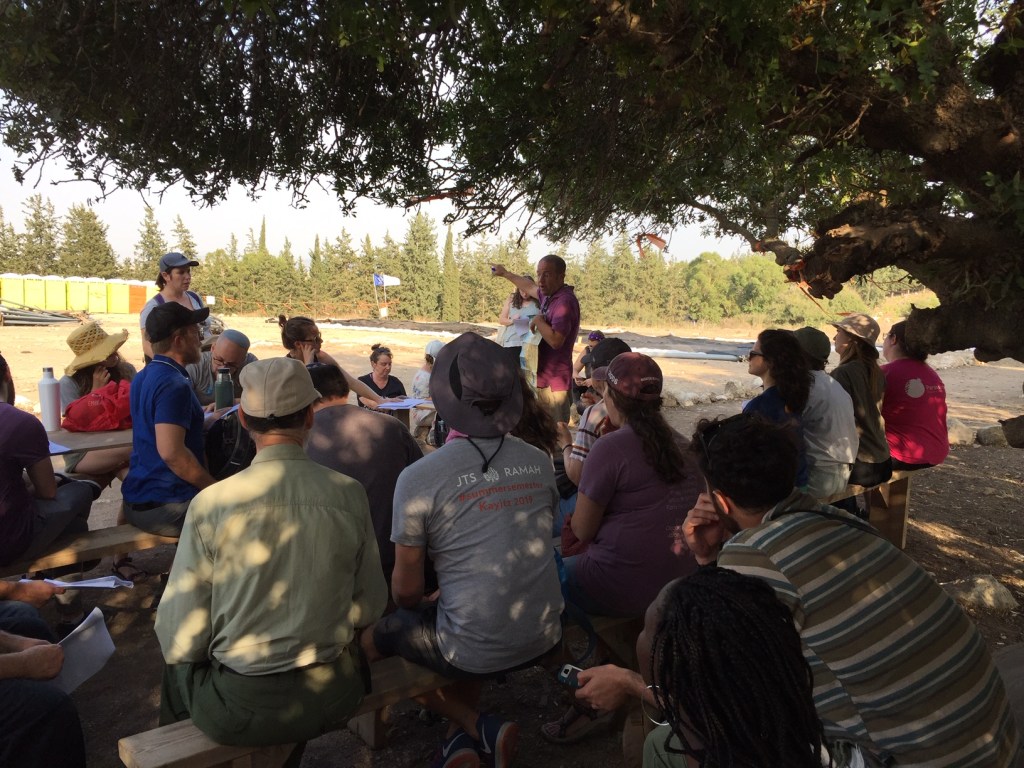
In this picture we are sitting under a tree next to the excavations. We are on the Shvil HaSanhedrin — the Sanhedrin Trail. You can read more about it here: https://www.israel21c.org/sanhedrin-trail-to-be-israels-1st-interactive-hiking-path/ Here we learned something about the history of Usha with Jamie. Then we set out on a modest hike across to the town of Shefaram, which is now an Arab town, but was once another seat of the Sanhedrin (its third). We stopped on a rock that has a mysterious Hebrew inscription that may be very old — or not. Some believe it marks the edge of the Shabbat boundary of Usha during rabbinic times. Here, we studied with Meesh two versions of a story about Rabbi Yehudah ben Bava. It tells how Rabbi Yehuda ben Bava gave his life in order to keep alive the tradition of Smichut — of the “laying on of hands” of three elders in order to ordain rabbis who could also serve as judges. The Romans were attempting to kill this tradition. Rabbi Yehudah “went and sat between two large mountains, between two large cities, and between two Shabbat boundaries: between Usha and Shefaram, and there he ordained five elders. When their enemies discovered them, Rabbi Yehuda ben Bava said to the newly ordained sages, “My sons, run for your lives!”” The upshot was that Rabbi Yehudah, who was elderly, was run though with three hundred iron Roman spears, but the newly ordained rabbis escaped to preserve tradition.
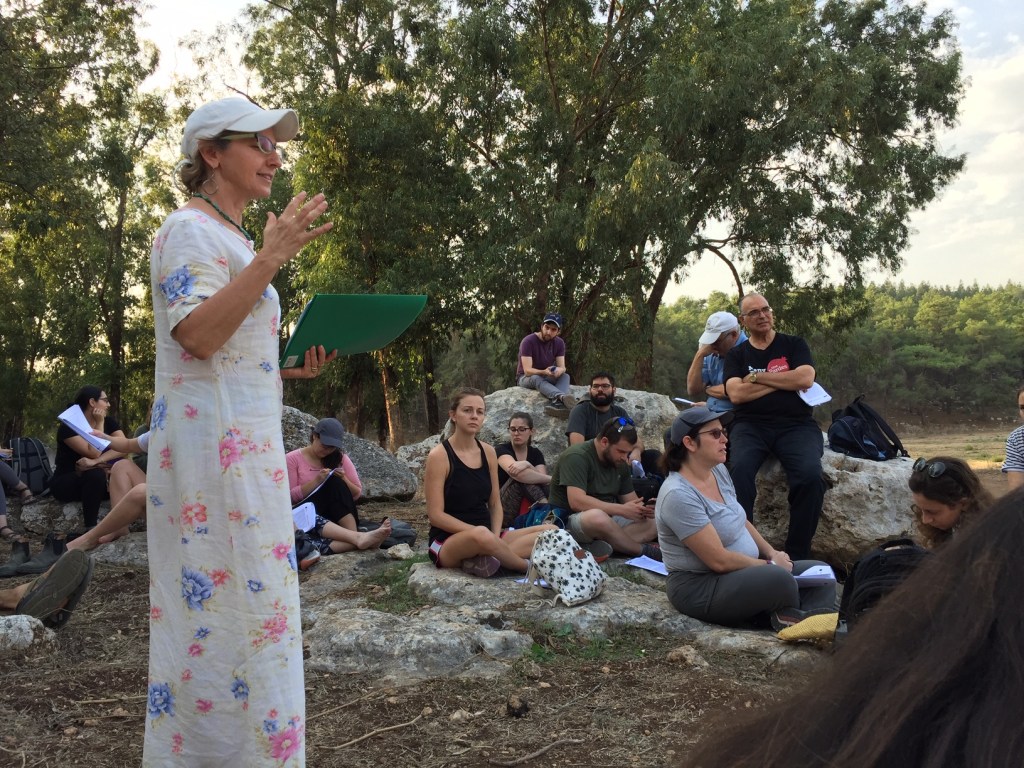
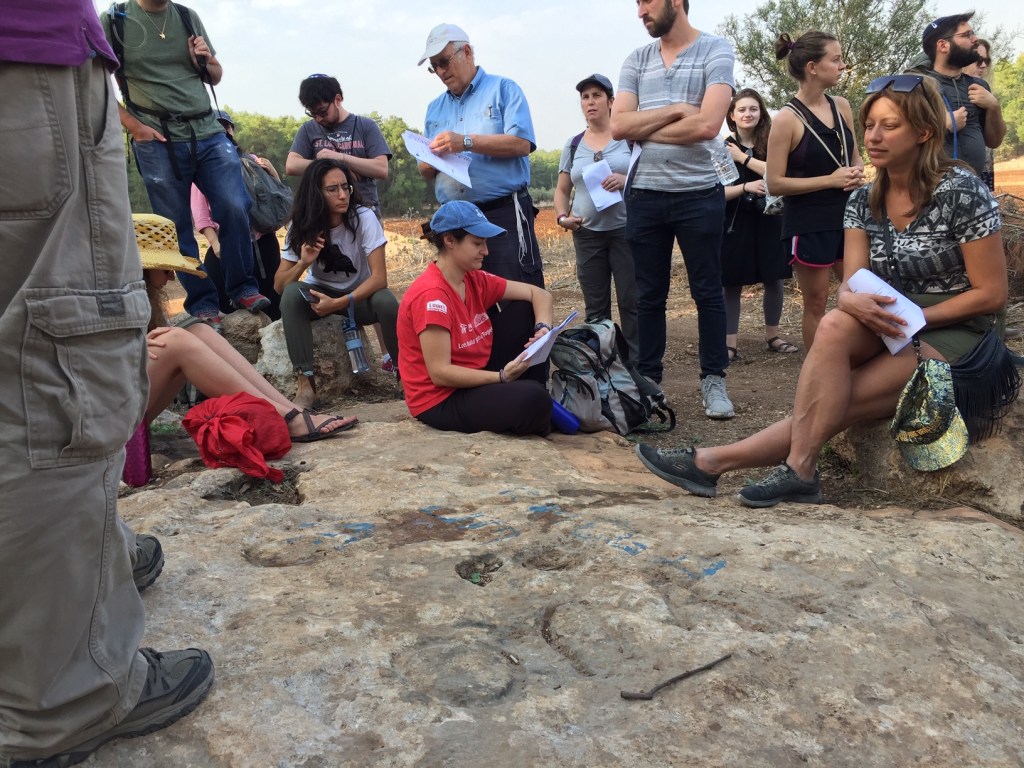
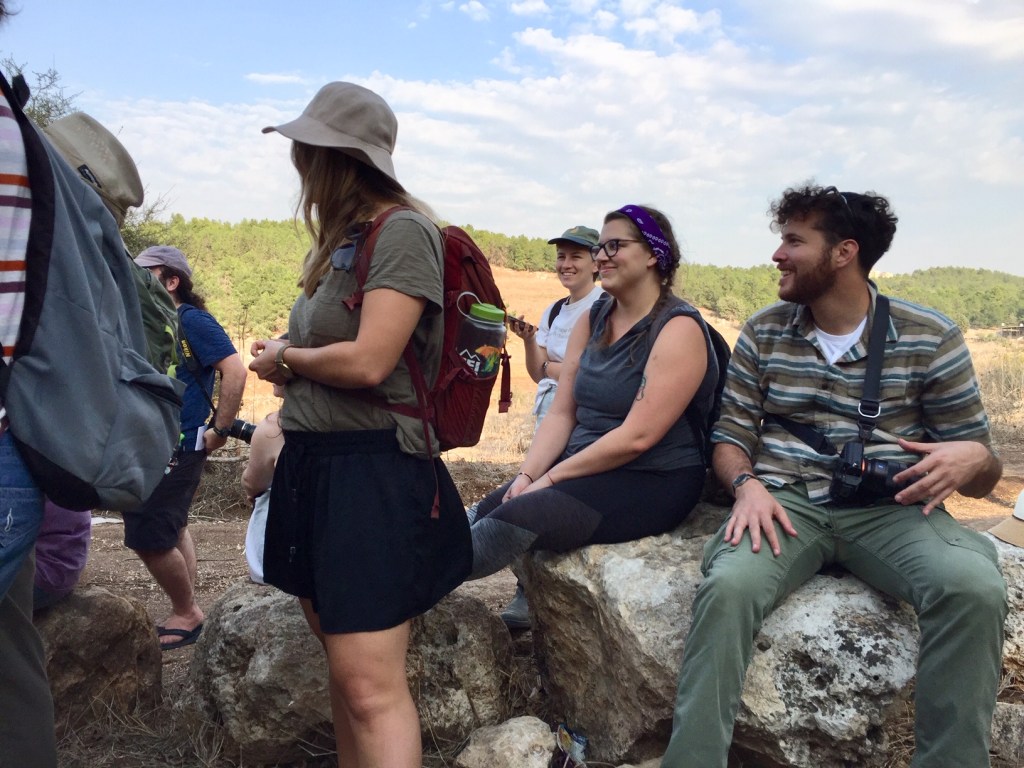
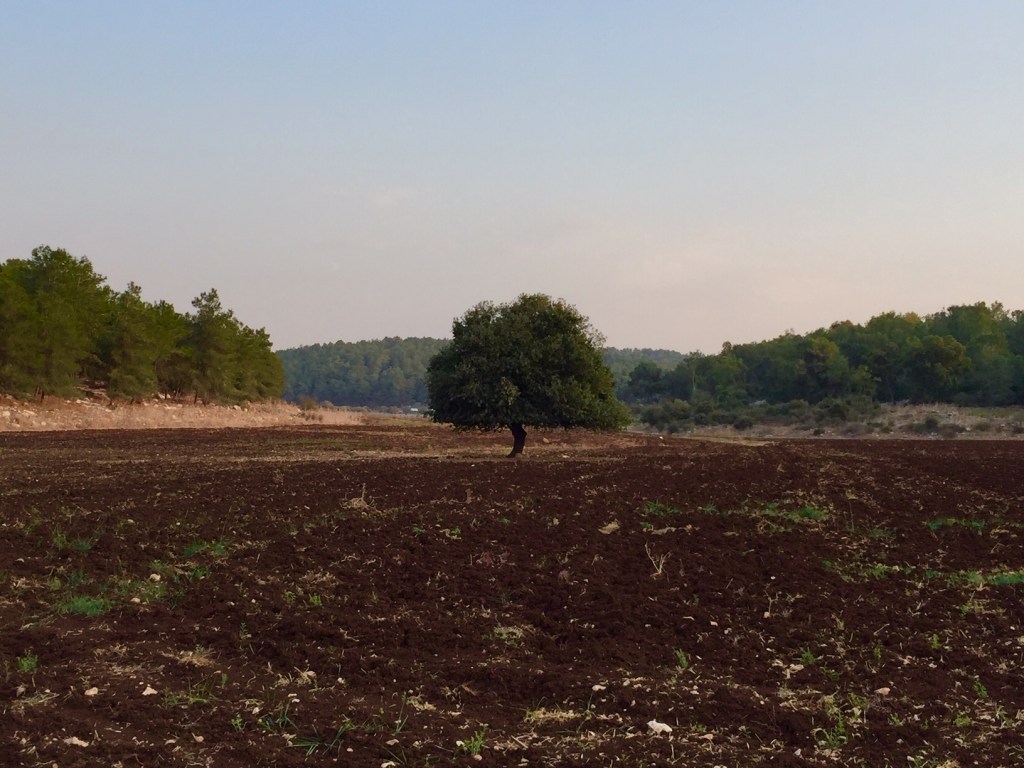
One hardly knows whether any of this is true, and if so how much. I’m coming to think of the Talmud as more like an historical novel than straight history. One thing is for sure — there are no high mountains beside Usha and Shefaram, only smallish hills, and the two towns were never big cities. But it was nonetheless interesting to sit there on the rock and think about this story. After we studied, we davenned mincha. By then it was getting late, and so we hurried onward as the sun set. We crossed a plowed field, and came up the hill to discover a dump, where not only trash but numerous well-decayed animal corpses were strewn about. Walking through the remains of dead sheep is not very pleasant, especially when the stench still lingers about them. I wondered if this was an Arab attempt to dissuade Jewish hikers from traveling the new Shvil Sanhedrin.
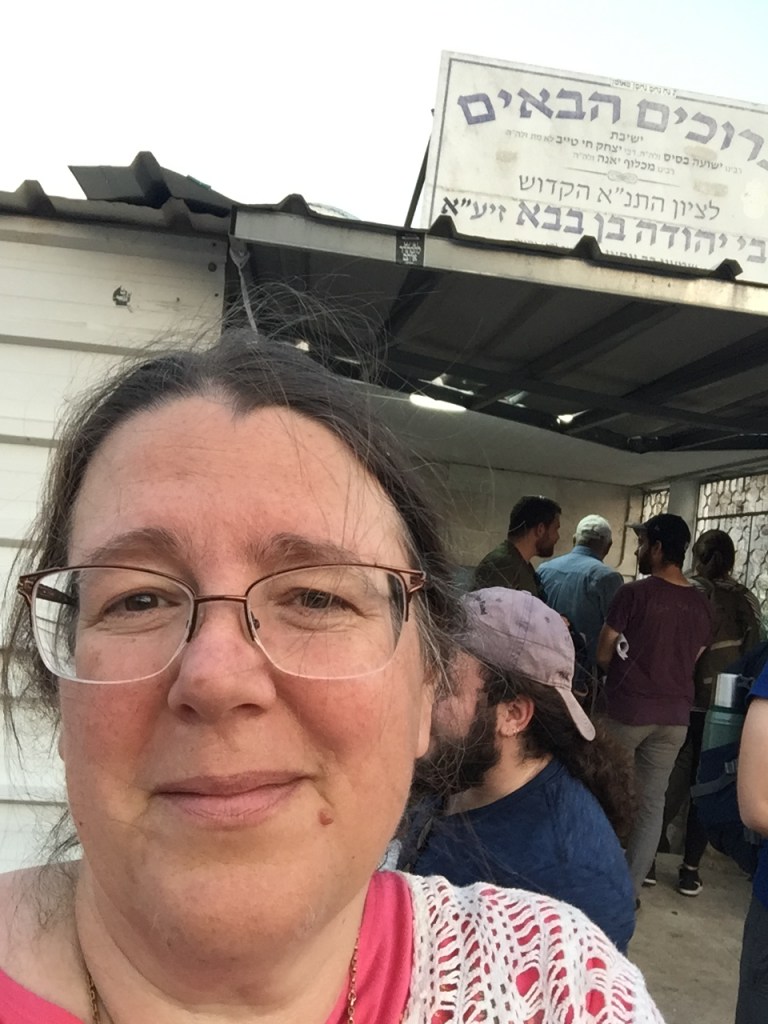
We arrived in Shefaram, where we visited another kever (grave) of a famous rabbi — Rabbi Yehuda ben Bava himself! Like most such sites, it is not really where he is buried. Since he was run through with Roman spears not too far from here, it’s not impossible that he could be buried here. However, the ARI, Rabbi Isaac Luria, the great Kabbalist rabbi in Tzfat, in a much later time had a vision, and most of the “gravesites” (not including the one we had seen in the morning, which is probably a real site) were set up according to where he “Saw” that they were. Much holiness has accrued at these sites nonetheless, and people flock there to pray. Like many such places, it failed to impress me, but I am not a chassid in any sense.
We piled onto the bus in the gloaming. Arab faces peered at us from the surrounding houses; I didn’t feel particularly welcome. As night fell we set out for Daliyah al-Karmel, a Druze village. When we arrived there we ate at Nura’s kitchen, which is run by Nura and the women in her family. The food in the ample buffet was by far the best I’ve eaten in Israel so far. You can see lots of pictures here (the web site is in Hebrew, but the pictures will give you the idea! https://www.nurah.co.il/ ) After our delicious meal, Nura herself shared with us, with Rav Meir translating, something of her history, the customs of the Druze, and more. The Druze are a fascinating people — you can read more here: https://en.wikipedia.org/wiki/Druze_in_Israel Although they branched out from Islam, they do not consider themselves Moslem. The Druze in Israel are loyal to the State of Israel, and the Druze in the Golan are neutral, but tend to favor Israel over Syria (for fairly obvious reasons). The town of Daliyat haKarmel was clearly a thriving one — we drove by many restaurants and shops.
For the night we had the distinct pleasure of staying at Kibbutz Daliya, is quite deluxe guest houses. I would like to go back there some time — it was a very comfortable and welcoming place! After our long day we slept well, and arose the next day for more travel and study — watch for my next post!

